Jensen Huang lauds China’s AI models as Nvidia set to resume chip exports
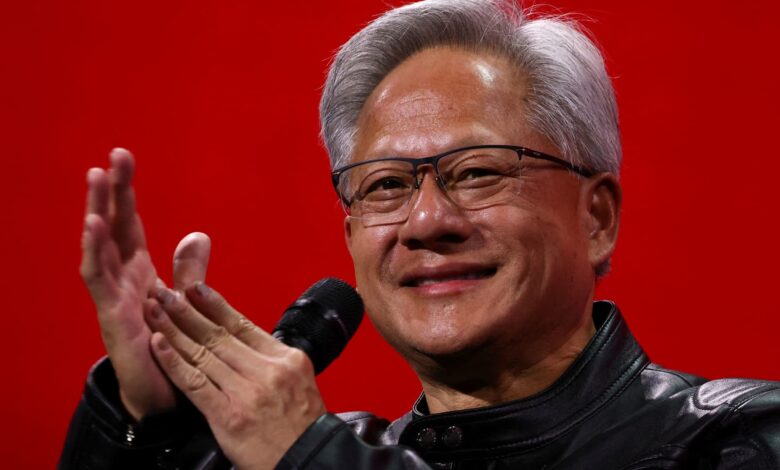
Nvidia CEO Jensen Huang recently commended China’s advancements in generative artificial intelligence models during a supply chain expo in Beijing. He specifically highlighted models like DeepSeek, Alibaba, Tencent, MiniMax, and Baidu Ernie bot, emphasizing their global impact and contribution to AI development worldwide.
Huang noted that more than 1.5 million developers in China rely on Nvidia’s technology to bring their innovations to life. This comes after China-developed DeepSeek made waves in the AI industry earlier this year by offering a competitive model that outperformed OpenAI in terms of cost efficiency. Despite U.S. chip restrictions on China, DeepSeek’s parent company, High-Flyer, reportedly managed to stockpile Nvidia chips to support their development.
In response to the U.S. government’s assurance, Nvidia announced its plans to resume shipments of its H20 chip to China soon, following a temporary halt in April due to regulatory requirements. Huang expressed concerns over the impact of U.S. export controls on Nvidia’s sales in China, estimating a significant loss in revenue for the company.
Huang’s visit to China marks his third trip this year, reflecting Nvidia’s commitment to the Chinese market despite challenges posed by geopolitical tensions. He also highlighted the role of Chinese tech giants like Alibaba, Tencent, and Baidu in driving AI innovation, even amidst limited access to training chips.
Moreover, Huang praised Chinese companies for their open-source approach to AI, enabling developers to access code freely. He emphasized the importance of open-source technology in fostering global progress and cooperation, contrasting it with the more closed approach of some U.S. counterparts. Additionally, he underscored the significance of AI in powering popular Chinese consumer tech platforms like WeChat, Taobao, Douyin, and Meituan.
As the U.S. continues to ease restrictions on high-tech exports to China and Beijing reciprocates with licenses for rare earth exports, Huang remains optimistic about the future of AI collaboration between the two countries. He believes that global access to technology is essential for China to maintain its position as a leader in AI innovation.
In conclusion, Huang’s visit to China not only signifies Nvidia’s commitment to the market but also highlights the ongoing developments in AI technology and the importance of international cooperation in driving innovation.