JPMorgan Chase wins fight with fintech firms over fees
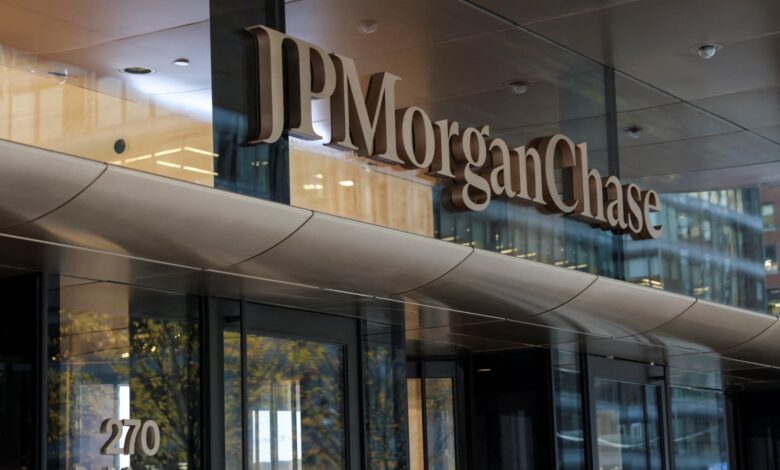
JPMorgan Chase recently made headlines by securing deals that guarantee payment from fintech firms responsible for the majority of data requests made by third-party apps connected to customer bank accounts. These updated contracts, signed with fintech middlemen like Plaid, Yodlee, Morningstar, and Akoya, aim to make the open banking ecosystem safer and more sustainable.
The move comes after a long-standing dispute between traditional banks and the fintech industry over access to customer accounts. In late 2024, the Biden-era Consumer Financial Protection Bureau finalized the “open-banking rule,” requiring banks to share customer data with other financial firms at no cost. However, banks sued to block the rule, leading to uncertainty in the industry.
In response, JPMorgan announced plans to start charging fintech firms hundreds of millions of dollars for access to customer data. This decision was met with criticism from fintech, crypto, and venture capital executives, who argued that it would stifle innovation and consumer choice.
After weeks of negotiations, JPMorgan agreed to lower pricing and make concessions regarding data request servicing. Fintech firms were eager to lock in data-sharing rates amidst uncertainty surrounding the CFPB’s open-banking rule revision.
The impact of these deals is expected to be far-reaching, with industry observers predicting that more banks will follow JPMorgan’s lead in charging fintech firms for access to their systems. Brian Shearer, director of competition and regulatory policy at the Vanderbilt Policy Accelerator, expressed concerns about the potential barriers to entry for startups and increased costs for consumers.
Proponents of the CFPB rule argue that it empowers consumers and fosters competition and innovation. However, critics, including JPMorgan, claim it exposes banks to fraud and imposes rising costs on maintaining systems tapped by middlemen.
While JPMorgan’s agreements with fintech firms mark a significant development, the ongoing battle between banks and the fintech industry may continue in courts and the public sphere. Penny Lee, CEO of the Financial Technology Association, criticized the move as anti-competitive and urged regulatory authorities to uphold the existing prohibition on data access fees.
Overall, the fintech industry is navigating a complex landscape of regulatory uncertainty and power struggles as banks and fintech firms jockey for control of customer data access. The outcome of these negotiations will have far-reaching implications for the future of open banking and financial innovation.