Kazakhstan’s Central Bank To Channel $350 Million Of Reserves Into Crypto And Bitcoin Investments
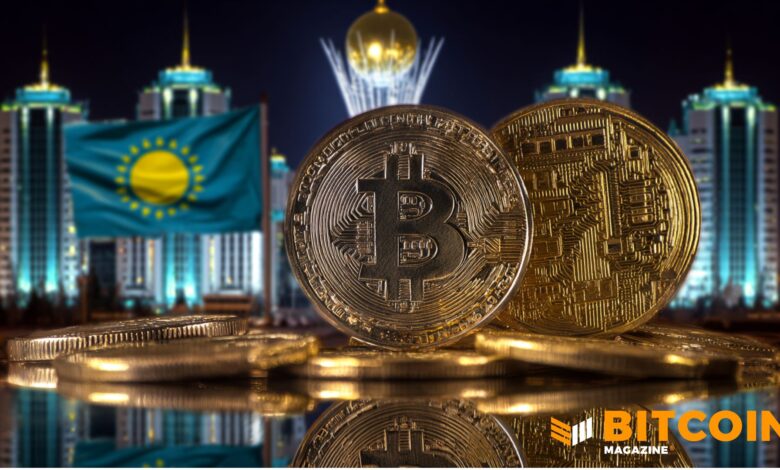
The National Bank of Kazakhstan is making headlines with its plans to allocate up to $350 million from the country’s gold and foreign exchange reserves towards investments tied to digital assets. This move marks a significant step by a central bank to gain exposure to the crypto sector.
Governor Timur Suleimenov has announced that the initiative will focus on companies and financial instruments connected to cryptocurrency markets rather than direct purchases of assets like Bitcoin. The investments will include shares of technology firms involved in digital asset infrastructure as well as index funds tracking crypto-related markets.
It is important to note that this allocation represents a small portion of Kazakhstan’s overall reserves, which stood at roughly $69.4 billion in gold and foreign exchange reserves as of February, according to data from the central bank.
Deputy chair Aliya Moldabekova has stated that the investment program is set to kick off in April and May as the bank finalizes a list of eligible companies and financial instruments. Moldabekova emphasized that officials are focusing on firms involved in digital asset infrastructure and related technologies rather than large investments in cryptocurrencies.
Kazakhstan has already established itself as a key player in the global crypto ecosystem. Following China’s crackdown on crypto mining in 2021, many mining operations shifted to Kazakhstan due to its energy resources and favorable regulatory environment. As a result, Kazakhstan has become one of the world’s leading hubs for industrial-scale bitcoin mining.
Financial institutions in Kazakhstan are also exploring consumer-facing crypto services. Suleimenov revealed that two banks have launched crypto-fiat payment cards, allowing users to transact between traditional currencies and digital assets. Two more banks are gearing up to introduce similar products.
These initiatives are currently operating in a regulatory sandbox as authorities finalize broader legislation governing digital financial assets. The central bank is also working on creating a licensing framework for cryptocurrency exchanges in the country, with a focus on compliance with anti-money laundering rules, tax regulations, and other financial oversight measures.
Officials believe that integrating digital asset services into Kazakhstan’s financial system while maintaining oversight is crucial. Suleimenov sees this regulatory push as part of a broader transformation of financial markets driven by technology, with innovations like tokenized assets, digital bonds, and crypto-linked payment rails creating new categories of financial instruments.
The central bank envisions digital financial assets expanding access to funding for businesses and investors. For example, real estate developers could tokenize property holdings and sell fractional ownership through digital tokens, providing an alternative to traditional bank financing.
In conclusion, Kazakhstan’s foray into digital assets signals a growing trend of central banks embracing the crypto sector. With a strategic focus on digital asset infrastructure and regulatory oversight, Kazakhstan is positioning itself as a key player in the evolving landscape of financial markets.