Long Islanders asked to slaughter deer as growing wildlife population wreaks havoc
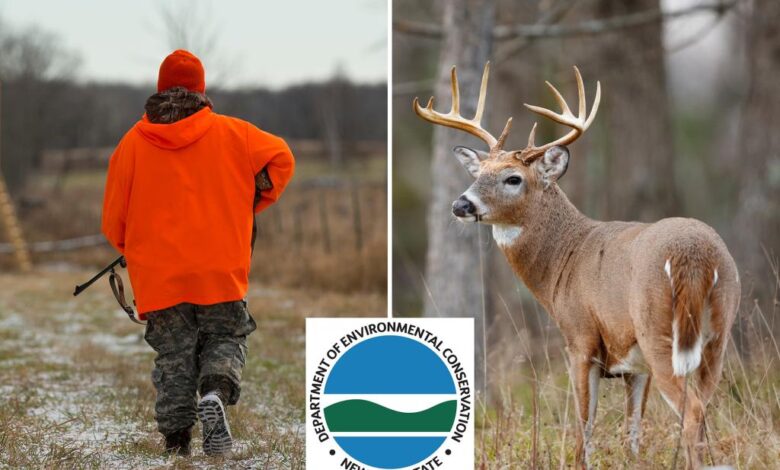
State officials on Long Island are calling on hunters to assist in thinning out the deer population, which has been causing havoc in Nassau and Suffolk counties. The Department of Environmental Conservation (DEC) is urging locals to apply for deer management permits to help control the soaring deer numbers, which are wreaking havoc on crops, causing car accidents, and spreading tick-borne diseases.
The DEC is emphasizing the need to manage deer populations in balance with available habitat and public desires. Hunters can apply for permits before the October 1 deadline, which will allow them to harvest antlerless deer. The state is also offering bonus permits to help reduce the deer population, which has been steadily increasing.
While Long Island hunters managed to take out more deer last season than the year before, the population remains difficult to control. With fewer people taking up hunting and deer encroaching further into suburban areas, the challenge of managing overpopulation persists.
Wildlife biologist Leslie Lupo from the DEC expressed concerns about the deer overpopulation on the island. However, animal rights activists like John Di Leonardo, executive director of Humane Long Island, believe that killing is not the solution to conservation. They advocate for non-lethal methods such as birth control for deer, planting vegetation they won’t eat, installing fencing, or using deterrents like radios, soap, or human hair to keep the animals away.
Deer are responsible for $59 million in crop losses annually and over 70,000 car crashes statewide. Suffolk County ranks third in New York for deer-caused collisions, according to State Farm. The DEC and activists are at odds over the best approach to managing the deer population, with the state pushing for hunting permits and activists advocating for non-lethal alternatives.
As the deer population continues to grow, finding a balance between conservation and population control remains a pressing issue for Long Island residents and officials. It is essential to consider all options and work together to address the challenges posed by the increasing deer population.