Longtime NYC principal ‘Creepy Bill’ groped 17-year-old student, staff, turned school into ‘sexual playground:’ suit
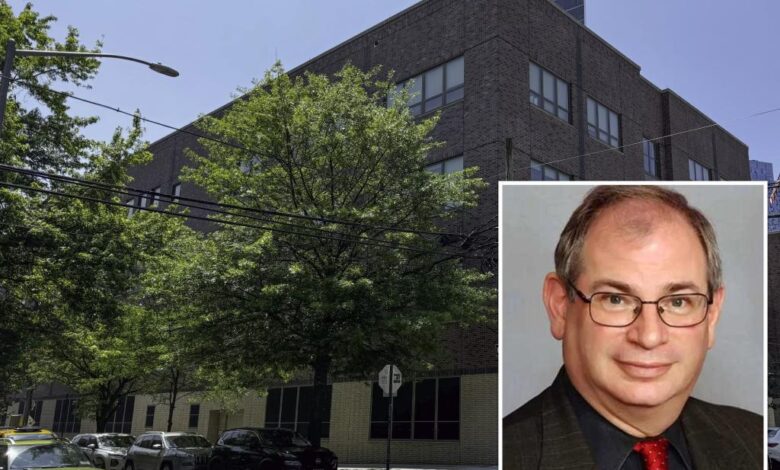
A shocking new lawsuit has been filed against William Bassell, a longtime principal at the Academy of American Studies in Queens, New York. The lawsuit alleges that Bassell, who was recently arrested for allegedly fondling two teachers, has turned the public school into a “sexual playground” where he has engaged in inappropriate behavior with female employees and even a teenage student.
The lawsuit, filed by four women including former student Khiabet Leal, accuses Bassell of a range of sexually harassing acts, including groping women’s inner thighs, asking about their sex lives, and making lewd comments about ejaculation and oral sex. The suit also claims that Bassell had a depraved interest in the sexual activities of his students, even commenting on which students he suspected of engaging in sexual acts.
One of the plaintiffs, social worker Tara Murphy, detailed an encounter where Bassell allegedly groped her, made sexual comments, and even repeated a suggestive phrase in her ear. The lawsuit alleges that when Murphy sought support from the United Federation of Teachers union, she was warned that Bassell was “Teflon Don” because nothing ever seemed to stick to him.
The lawsuit also references an anonymous Instagram account called “AAS Takes a Stand” that made similar claims against Bassell in 2020. One post on the account alleged that Bassell would call a student out of class just to touch her arms and thighs, a claim that aligns with Leal’s allegations in the lawsuit.
Despite years of complaints from employees and students, the lawsuit claims that the Department of Education (DOE) did little to address the situation, and Bassell remained employed by the city as a principal. Bassell, whose salary was over $200,000 last year, was placed on leave after his arrest in May but has not been removed from his position.
The women’s attorney, Amy Robinson, expressed frustration at the lack of action taken against Bassell, stating that he is well-protected despite the numerous allegations against him. Bassell’s next court appearance is scheduled for Thursday, the first day of the new school year.
The allegations in the lawsuit paint a disturbing picture of a school principal using his position of power to engage in inappropriate and harassing behavior. City and DOE officials have not yet commented on the lawsuit, and attempts to reach Bassell for a response have been unsuccessful. It remains to be seen how this lawsuit will impact Bassell’s future at the Academy of American Studies. The COVID-19 pandemic has brought about unprecedented changes in our everyday lives. From social distancing measures to wearing masks in public, the way we interact with one another has been drastically altered. One of the most significant changes has been the shift to remote work for many individuals and businesses.
Remote work, or working from home, has become the new normal for millions of people around the world. With the spread of the coronavirus making it unsafe for employees to gather in office spaces, companies have had to adapt to this new way of working in order to keep their businesses running smoothly. While working remotely has its challenges, it also offers many benefits that are likely to shape the future of work long after the pandemic is over.
One of the main advantages of remote work is the flexibility it provides. Employees no longer have to commute to the office, saving time and money on transportation costs. This also allows for a better work-life balance, as individuals can schedule their work hours around their personal lives. Additionally, working remotely has been shown to increase productivity, as employees are able to work in a more comfortable environment and without the distractions of a traditional office setting.
Another benefit of remote work is the ability to hire talent from anywhere in the world. With employees no longer tied to a physical office location, companies can access a global pool of talent and hire the best candidates for the job, regardless of where they are located. This can lead to a more diverse and inclusive workforce, as companies are not limited by geographic boundaries when it comes to hiring new employees.
Despite these advantages, remote work also presents its own set of challenges. One of the biggest hurdles for companies transitioning to remote work is ensuring that employees have the necessary tools and technology to work effectively from home. This includes providing access to secure networks, communication platforms, and collaboration tools to keep employees connected and productive.
Another challenge of remote work is maintaining company culture and team cohesion. Without the daily interactions that come with working in an office, employees may feel isolated and disconnected from their colleagues. To combat this, companies have had to find new ways to foster a sense of community through virtual team-building activities, online meetings, and regular communication.
As we look towards the future, it is clear that remote work is here to stay. The COVID-19 pandemic has accelerated the shift towards a more flexible and remote workforce, and companies are likely to continue embracing this new way of working even after the pandemic is over. By leveraging the benefits of remote work and addressing the challenges that come with it, companies can create a more resilient and adaptable workforce that is prepared for whatever the future may hold.