Matcha mania turns the green powder into gold
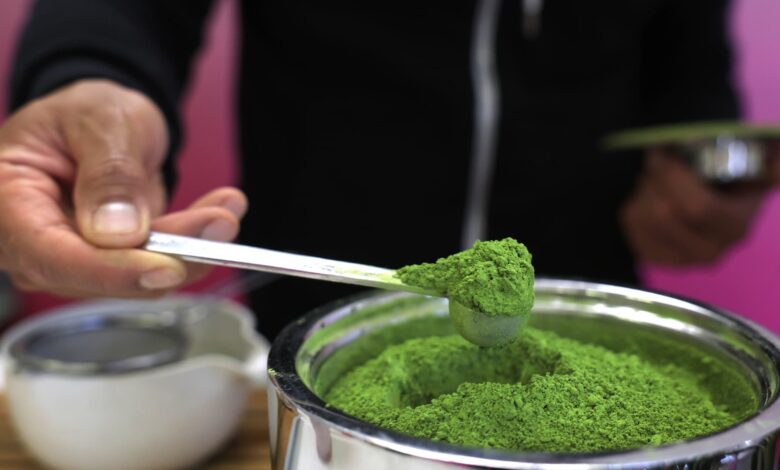
A surge in the popularity of matcha has resulted in a global shortage, driven by high demand and limited production in Japan, where premium matcha is cultivated.
Justin Sullivan | Getty Images News | Getty Images
Retiring from a long career in advertising to open a matcha cafe, Chitose Nagao was surprised by the overwhelming demand for her products. Her store, Atelier Matcha, has managed to maintain supplies by partnering with Marukyu Koyamaen, a renowned tea producer in Kyoto.
Japan’s centuries-old tradition of consuming matcha has gained global attention, especially with the rise of its reputation as a superfood rich in antioxidants. The country’s export of green tea, including matcha, has significantly increased over the years.
To address the strain on Japan’s tea production, the government is considering subsidizing farmers to grow more tencha, the tea variety used to make matcha.
Shops ration supply
Prices of tencha at auctions in Kyoto have soared, leading to a doubling of matcha prices and scarcity in Tokyo. Retailers are implementing purchase limits to manage stock shortages.
Online stores have sold out due to high demand, with many tourists purchasing matcha as a souvenir.
Matcha prices have doubled, making it increasingly challenging to find the powder, even in Tokyo.
Competition for matcha sourcing and production has led companies like Ito En to create dedicated divisions to meet demand. The company is raising prices due to higher costs.
Securing enough tencha leaves for matcha production remains a challenge, as farmers are hesitant to expand production.
Matcha boom meets bottleneck
Efforts to educate consumers about matcha grades and exploring alternative teas like hojicha are being considered to alleviate the matcha shortage.
As the demand for matcha continues to rise, the industry faces challenges in meeting production requirements.