Medicaid Cuts May Already Be Impacting Hospitals
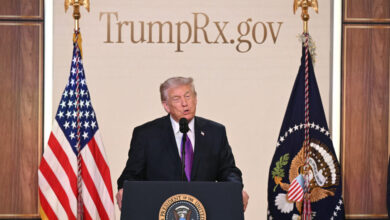
The impact of Medicaid cuts on healthcare providers, particularly in rural areas, has been a growing concern in recent months. Senator Jon Ossoff (D-GA) recently issued a press release highlighting the closure of labor and delivery services at St. Mary’s Sacred Heart Hospital in Northeast Georgia due to Medicaid cuts. This is just one example of how the One Big Beautiful Bill signed into law by President Trump is affecting healthcare facilities across the country.
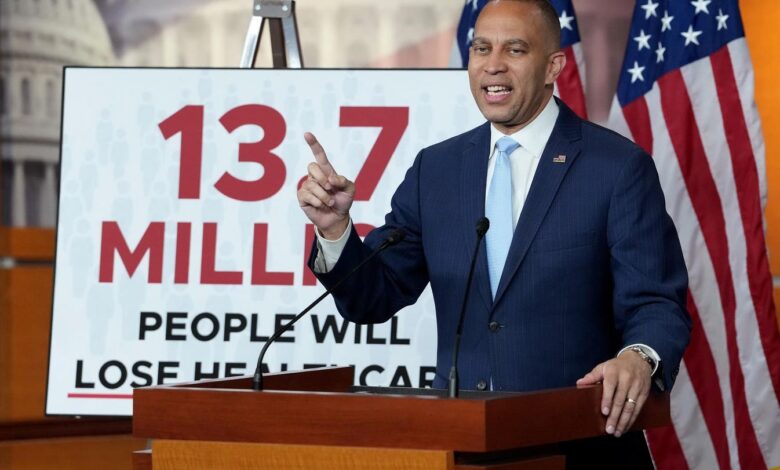
Medicaid, established in 1965, is a crucial health insurance program for low-income individuals, covering more than 40% of all births in the U.S. and nearly two-thirds of nursing home stays. The One Big Beautiful Bill imposes work requirements on Medicaid beneficiaries, potentially causing 11 to 16 million individuals to lose coverage. This could lead to significant financial strain on hospitals, with estimates suggesting that 55 rural hospitals and close to 600 nursing homes are at risk of closure.
The financial impact of the One Big Beautiful Bill is exacerbated by the fact that nearly 50% of rural hospitals already operate on negative margins. The legislation reduces federal Medicaid spending by over $1 trillion over the next decade, with a $50 billion fund for rural hospitals that experts believe may not be sufficient to offset the cuts. This puts hospitals like Manning’s Recovery Center in Iowa and Providence health system in Washington at risk of closure or service cuts.
The Commonwealth Fund recently published an issue brief highlighting the impact of Medicaid cuts on hospital revenues, particularly for rural and safety-net hospitals. Safety-net hospitals in rural areas are expected to be hit the hardest, further straining their financial stability. A new analysis from the Urban Institute warns that if enhanced premium tax credits expire, healthcare providers could face over $32 billion in lost revenue in 2026, with uncompensated care costs increasing by $7.7 billion.
Overall, the One Big Beautiful Bill’s Medicaid cuts are creating significant challenges for healthcare providers, particularly in rural areas where hospitals are already struggling financially. It is imperative for policymakers to address these issues to ensure access to quality healthcare for all Americans.