Monument, gravestone makers deal with tariffs and cremations
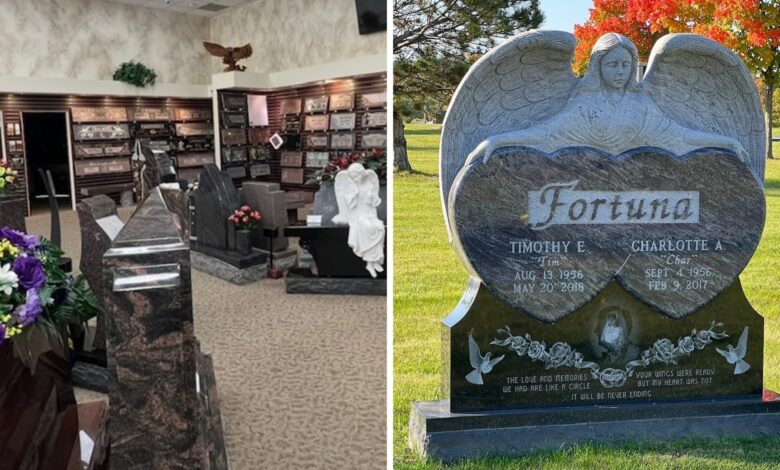
The memorial industry is facing a period of disruption as small, family-run businesses struggle to adapt to changing trends and external challenges. John Dioguardi, owner of Rome Monument in Pennsylvania, has been in the business for nearly a century, but he is unsure about the future of his company. The rise in cremations has already impacted demand for traditional burial markers, and now President Trump’s tariffs on granite imports are adding to the pressure.
Dioguardi has been trying to navigate these challenges by shifting his supply chain away from China to countries like India, where tariff rates are lower. However, bringing production back to the U.S. would still be more expensive due to higher labor costs. Additionally, certain types of granite, like the multi-colored aurora found in India, are only available from specific regions abroad.
The impact of Trump’s tariffs is being felt across the industry, with businesses like Milano Monuments seeing a significant increase in custom duties and taxes on imported goods. Jim Milano, owner of the Cleveland-based company, has had to cover the additional costs out of pocket, leading to a pay cut for himself.
The uncertainty surrounding tariff rates has made it challenging for businesses to plan ahead, especially since the industry operates on lead times of several weeks or months. Granite wholesalers like PS Granite in Kentucky have had to delay printing marketing materials for the next year due to the fluctuating rates.
While larger retailers may be able to absorb the cost increases in the short term, smaller memorial creators are finding it harder to pass down the costs to consumers. Given the sensitive nature of their products and the emotions surrounding death, they are hesitant to raise prices for grieving families.
In addition to the tariff challenges, the industry is also contending with a shift towards cremation as the preferred method of disposition. With the cremation rate in the U.S. exceeding 60% in 2024, businesses like Rome Monument are exploring new avenues for revenue, such as pedestal memorials and unconventional monuments like pet memorials.
Despite the challenges, Dioguardi remains hopeful that his family business can survive for another decade. However, he acknowledges that the fate of the industry is tied to consumer preferences for memorialization. As the trend towards cremation continues to rise, businesses like Rome Monument will need to adapt and innovate to stay relevant in a changing market.