More NFL Injuries Raise Concerns About Artificial Turf
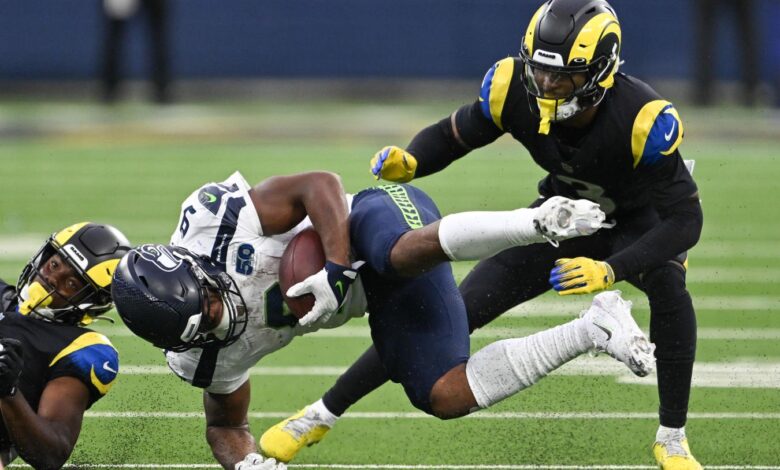
The debate over artificial turf versus natural grass in NFL stadiums continues to rage on, with players, owners, and fans all weighing in on the pros and cons of each. This season has seen a slew of non-contact injuries to key players, sparking renewed interest in the potential impact of playing surfaces on player health. Quarterbacks like Lamar Jackson, Jayden Daniels, Joe Burrow, and Brock Purdy have all suffered injuries related to playing on artificial turf, raising concerns about the safety of these surfaces.
The NFL Players Association has been vocal in its preference for natural grass fields, with NFLPA Director Lloyd Howell stating that 92% of players prefer grass over turf. NFLPA President J.C. Tretter has argued that artificial turf is harder on the body and increases the risk of injury. Recent studies have shown that injuries, particularly knee and ankle injuries, are more common on artificial turf compared to natural grass.
Despite the concerns raised by players and the NFLPA, half of NFL stadiums now feature artificial turf due to its durability and cost-effectiveness. The first artificial turf field was installed in the Houston Astrodome in 1965, with more stadiums adopting the synthetic surface over the following decades. While modern artificial turf is softer and more cushioned than earlier versions, it still lacks the natural give of real grass.
Studies have shown that artificial turf fields are associated with higher rates of lower extremity injuries, including ACL and PCL tears. The lack of give in artificial turf can result in more force being absorbed by players’ bodies, increasing the risk of injury. The debate over playing surfaces extends to practice fields, with many NFL teams using artificial turf for training sessions as well.
While the cost and maintenance benefits of artificial turf are clear, the potential impact on player health cannot be ignored. As the NFL grapples with rising injury rates and player safety concerns, the question of whether to switch back to natural grass fields remains a contentious issue. With indoor stadiums and teams in colder climates successfully maintaining grass fields, the argument for a return to real grass continues to gain traction. The decision on playing surfaces will ultimately come down to balancing player safety with practical considerations, but the push for safer fields may lead to a shift back to natural grass in the future.