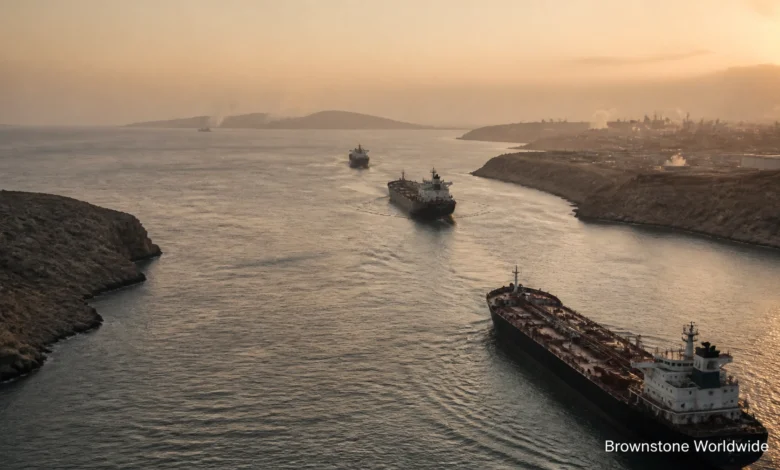
Brent crude is hovering near $85 per barrel as markets weigh the risk that the Strait of Hormuz could remain severely disrupted amid the US-Israel war on Iran. The waterway has not been formally declared closed, but vessel traffic has slowed sharply, raising concerns about the movement of oil from the Persian Gulf.
Recent market reports cited by Reuters placed Brent in an $80-to-$90 range while traders watch for either a diplomatic arrangement or further escalation. The US Energy Information Administration’s latest spot-price data also show how quickly crude prices have been moving.

The uncertainty matters because Hormuz is one of the world’s most important energy corridors. Even without a complete shutdown, fewer tanker transits can raise shipping costs, delay deliveries, and add a geopolitical risk premium to every barrel. Goldman Sachs has estimated that Brent could remain volatile until tensions ease or the disruption becomes more severe.
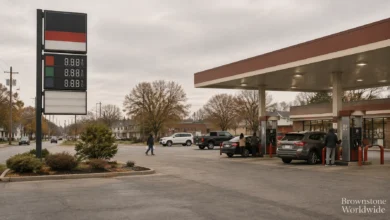
For households, that volatility can eventually appear in gasoline, heating, transportation, and delivery costs. It may not reach every community immediately, and prices at the pump also depend on refining costs, taxes, inventories, and local competition. Still, prolonged supply concerns could make household budgets less predictable.

A separate US development is pushing markets in the opposite direction. The Bureau of Labor Statistics reported that nonfarm payrolls fell by 23,000 in July, while earlier months were revised lower. The unemployment rate edged down to 4.1%, partly because the labor force shrank. The report reduced market expectations for a September Federal Reserve rate hike, with coverage from CNBC putting the probability near 44%.
A weaker Fed outlook can support oil by reducing dollar strength, but a cooling labor market can also signal softer fuel demand. For now, Hormuz-related supply risk is dominating.
Neighbors can watch local fuel prices, avoid panic buying, compare transportation costs, and follow verified updates from the EIA and Brownstone Worldwide. What are you seeing in your community: higher prices, delayed deliveries, or little change so far?