Robert Mueller, Former FBI Director Who Investigated Trump-Russia Ties, Dies at 81
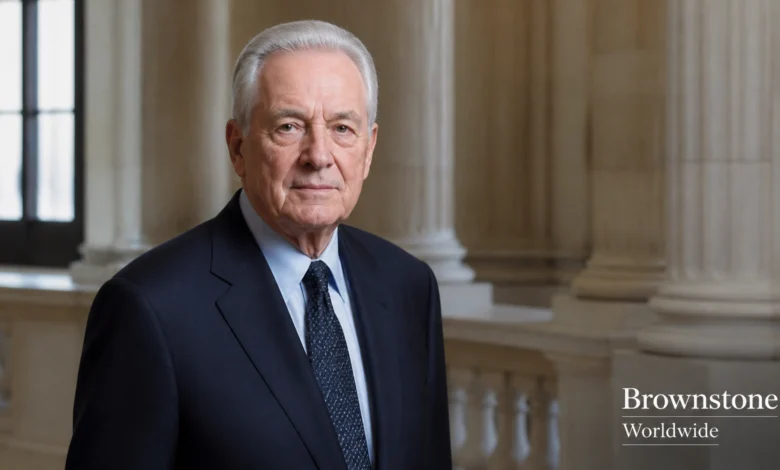
Robert S. Mueller III, the decorated Vietnam veteran and former FBI director who navigated the bureau through the aftermath of the September 11 attacks, has passed away at the age of 81. According to AP News, Mueller died Tuesday, concluding a five-decade career defined by public service under both Republican and Democratic administrations. Known for his stoic demeanor and unwavering commitment to the law, he served as the head of the FBI from 2001 to 2013, making him the longest-serving director since J. Edgar Hoover.
His legacy is deeply intertwined with the transformation of the FBI from a traditional law enforcement agency into a modern intelligence-focused organization. While he oversaw high-profile prosecutions of figures like John Gotti and Manuel Noriega, he is perhaps most recognized by the modern public for his role as special counsel. In 2017, he was appointed to lead the investigation into Russian interference in the 2016 election, a mission that placed him at the center of a historic and politically charged era of American justice.

For those following our US News coverage, Mueller's passing marks the end of a significant chapter in national security and legal history. His life serves as a reminder of the weight of public duty and the complexities of maintaining institutional integrity during times of crisis. Understanding his career helps provide context for the current landscape of federal oversight and the ongoing discussions surrounding election security and government accountability.

As we reflect on his impact, we invite you to stay connected with the latest updates and in-depth stories across The Neighborhood. Keeping a pulse on these historic shifts is vital for staying informed in our rapidly changing world. How do you view the legacy of leaders who serve across multiple political eras? We welcome your thoughts and reflections on what Mueller's career meant for the country in the comments below.