Rubio rules out further military action in Venezuela … for now

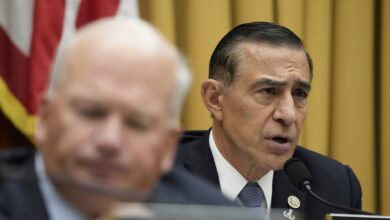
In a recent public hearing, Secretary of State Marco Rubio addressed the capture of Venezuelan President Nicolás Maduro by U.S. forces on Jan. 3. Rubio assured senators that there are no immediate plans for further military action against Venezuela. He emphasized that any military action would only be considered in response to an imminent threat that is not currently anticipated.
While Rubio acknowledged the possibility of future military intervention, he highlighted the progress being made in Venezuela since Maduro’s removal. He described Maduro as a narco-terrorist and expressed optimism about the country’s future without his leadership.
However, concerns were raised about the interim government in Venezuela, which has ties to the previously indicted Maduro regime. Senator Jeanne Shaheen questioned the effectiveness of the operation and its impact on the Venezuelan people. She also criticized the administration for focusing on foreign policy issues instead of addressing domestic economic concerns.
Rubio defended the administration’s actions in Venezuela, citing a halt in shadow fleet ships heading towards Venezuela to collect oil since Maduro’s capture. He highlighted the cooperation of the Venezuelan interim authorities in identifying illegal ships, contributing to a more stable situation in the region.
The discussion also turned to Cuba, with President Donald Trump suggesting that the country is on the brink of collapse due to a lack of support from Venezuela. Rubio expressed a desire for regime change in Cuba but emphasized that the U.S. would not unilaterally instigate such a change. He noted that lifting the embargo on Cuba would only be considered if the country transitions to a democratically elected government.
In addition to the focus on Latin America, Rubio addressed concerns about NATO and the president’s calls for the alliance to be “reimagined.” He stressed the importance of NATO allies stepping up and meeting their obligations, acknowledging the need for a rebalancing within the alliance.
Despite questions from Democratic senators about the president’s rhetoric on NATO, Rubio reaffirmed the U.S.’s commitment to the alliance. He emphasized the need for consultation with Congress on foreign policy decisions and the importance of maintaining trust with allies.
Overall, Rubio’s testimony covered a range of foreign policy issues, from Venezuela to Cuba to NATO, highlighting the complexities and challenges facing the U.S. in the global arena. His remarks underscored the administration’s approach to addressing threats and promoting stability in the Western Hemisphere and beyond.