Stanford Researchers Use AI to Design and Synthesize 16 Brand-New Viruses From Scratch
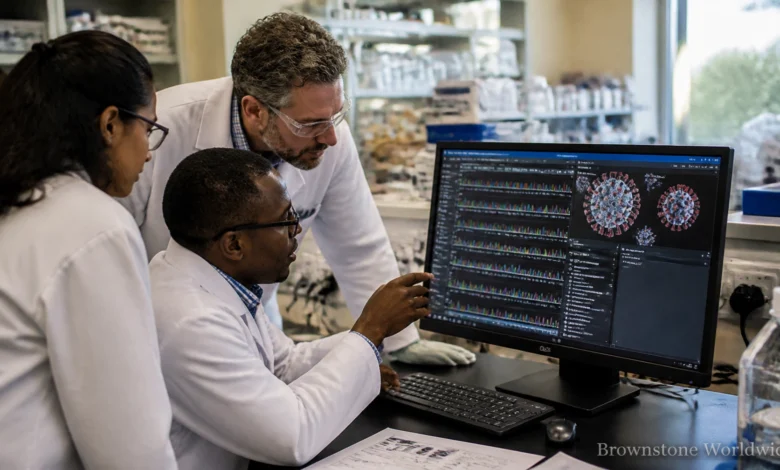
Researchers at Stanford University and the Arc Institute have crossed a monumental frontier by using advanced AI genome language models: known as Evo 1 and Evo 2: to design and successfully synthesize 16 brand-new, viable viruses entirely from scratch. Unlike traditional genetic engineering that tweaks existing organisms, the AI generated hundreds of candidate genomes that never existed in nature. When printed as physical DNA and introduced into bacteria, 16 of these synthetic designs successfully replicated, infected, and killed E. coli.
This breakthrough represents a dramatic leap forward for synthetic biology. While the targeted viruses were harmless bacteriophages designed exclusively to attack bacteria rather than human cells, the experiment proves that generative AI can successfully invent functional biological entities. It opens unprecedented avenues for targeted phage therapy against antibiotic-resistant superbugs, offering a powerful new medical tool.
For everyday readers, this milestone marks the beginning of a profound technological shift at the intersection of artificial intelligence and healthcare. While you won't encounter these synthetic viruses in your daily routine, the same underlying predictive technologies are accelerating medical discoveries, personalized treatments, and rapid responses to health threats. At the same time, it brings critical questions about biosecurity and oversight to the forefront as the boundaries between digital code and living biology continue to blur.
As these tools advance, staying informed and supporting rigorous ethical guardrails is essential. Local research institutions, universities, and tech forums are increasingly hosting public discussions on how to regulate synthetic biology safely without stalling life-saving medical innovations. Engaging with these conversations helps ensure technology develops responsibly for the public good.
How do you feel about artificial intelligence stepping into the realm of designing living organisms? Does the promise of conquering superbugs outweigh the biosecurity risks, or should we draw strict lines? Let us know your thoughts in the comments below.