Target says it’s ending its Amazon and Walmart price matching policy after a 12-year run
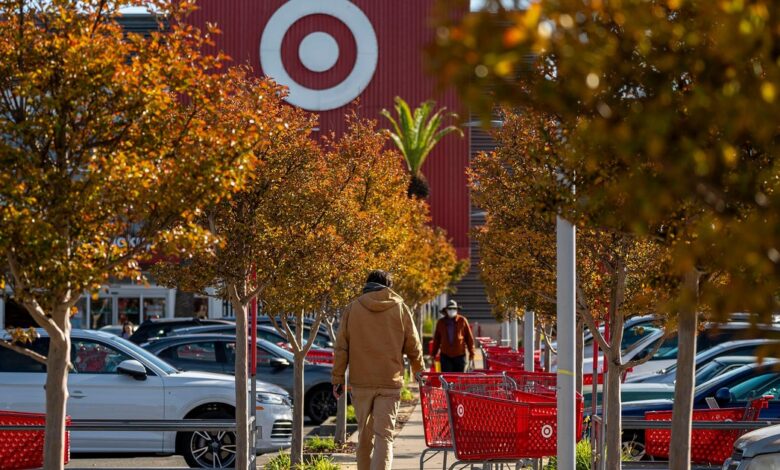
Target has made the decision to end its price matching policy after 12 years of allowing customers to request a price match if they found an identical item with a lower cost at competitors Amazon or Walmart. The policy, which was introduced in 2013, enabled shoppers to provide proof of a lower price within 14 days of their purchase for products that were identical in brand name, size, weight, color, and model number, and sold and fulfilled by Amazon or Walmart.
However, starting on July 28, customers will only be able to request a price match for products sold at either Target or Target.com, not from competitors Amazon and Walmart. According to a Target spokesperson, the reason for ending price matching for products sold by the two rival retailers is that “guests overwhelmingly price match Target and not other retailers.”
This decision comes at a time when Target is facing challenges in boosting sales and store traffic. In its most recent earnings report released in May, the company reported a nearly 3% decline in sales during the first quarter compared to the same time last year. Target CEO Brian Cornell attributed the decline to an “exceptionally challenging environment,” citing factors such as declining consumer confidence and uncertainty around tariffs.
Other retailers, including Best Buy and Home Depot, also have price matching policies in place. Walmart, on the other hand, has a price matching policy for Walmart.com, but not for competitors.
As consumers pull back on spending, retailers are feeling the impact. The Conference Board Consumer Confidence Index, which tracks Americans’ sentiment toward business and labor market conditions, fell 5.4 points in June, indicating that consumers may be more cautious about the state of the economy.
In conclusion, Target’s decision to end its price matching policy reflects the challenges that retailers are facing in the current economic climate. While the policy provided value to customers in the past, the company is now focusing on driving sales through other means in order to navigate the changing retail landscape.