Tax Changes 2026: Expect Bigger Refunds, New IRS Deductions
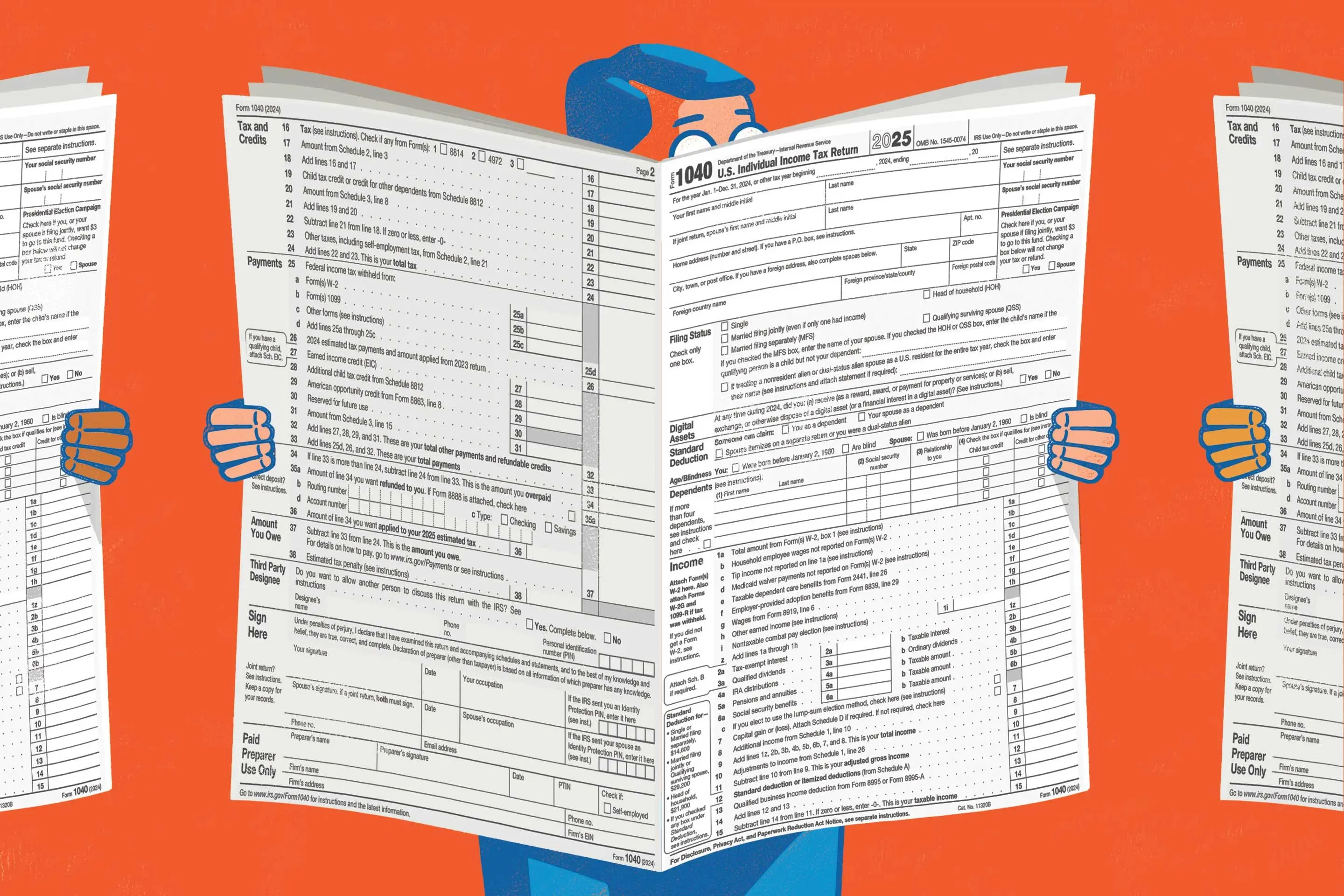
The U.S. is currently in the midst of its first tax season following the enactment of the One Big Beautiful Bill Act (OBBBA) by President Donald Trump last July. This new law has brought about several changes that are expected to impact taxpayers in various ways. According to tax expert Hannah Cole, the timing of these changes was intentional, with the goal of providing immediate benefits to taxpayers before the upcoming midterm elections.
One of the key changes introduced by the OBBBA is an increase in the standard deduction. The Tax Cuts and Jobs Act had already doubled the standard deduction, but the OBBBA made this increase permanent. For the 2025 tax year, the standard deduction is set at $15,750 for single filers, $31,500 for married couples, and $23,625 for heads of household. This higher standard deduction means that more income will be shielded from taxes for the majority of filers who choose to take it.
Another significant change brought about by the OBBBA is the exemption of tips and overtime pay from taxation. Eligible workers, including those in a wide range of professions such as bartenders, waitresses, electricians, and tutors, can deduct up to $25,000 of their qualified tips from their income. Additionally, there is a new deduction for overtime work that allows certain employees to deduct the portion of their pay that exceeds their regular rate, up to $12,500 for individuals and $25,000 for joint filers. These deductions are available to all taxpayers, regardless of whether they itemize their taxes, and will be in effect until 2028.
The OBBBA also introduced a new “senior bonus” and car loan interest deduction. While the initial proposal to eliminate taxes on Social Security benefits did not come to fruition due to procedural constraints, Congress instead created a deduction for taxpayers aged 65 and older. This deduction, known as the “senior bonus,” is worth up to $6,000 per eligible taxpayer and will be available for tax years 2025 through 2028.
Overall, the OBBBA has ushered in a number of changes that are likely to impact taxpayers during the current tax season. It is important for individuals to familiarize themselves with these changes and consult with a tax professional if necessary to ensure they are maximizing their tax benefits under the new law. The tax landscape for 2026 is changing, with several new deductions and credits that could benefit many Americans. One major change is the phase-out of the Social Security tax break for those with incomes over $75,000 ($150,000 for joint filers). This means that individuals and couples in higher income brackets will no longer be able to claim this deduction.
Another new deduction that taxpayers can take advantage of is the ability to deduct interest paid on certain car loans. The maximum annual deduction for car loan interest is $10,000, but it phases out once your income hits $100,000 ($200,000 for joint filers). To qualify for this deduction, your loan must have originated after Dec. 31, 2024, and be for a personal-use vehicle that weighs under 14,000 pounds and was assembled in the U.S.
To determine if your vehicle meets the criteria for this deduction, you can use the National Highway Traffic Safety Administration’s VIN Decoder tool.
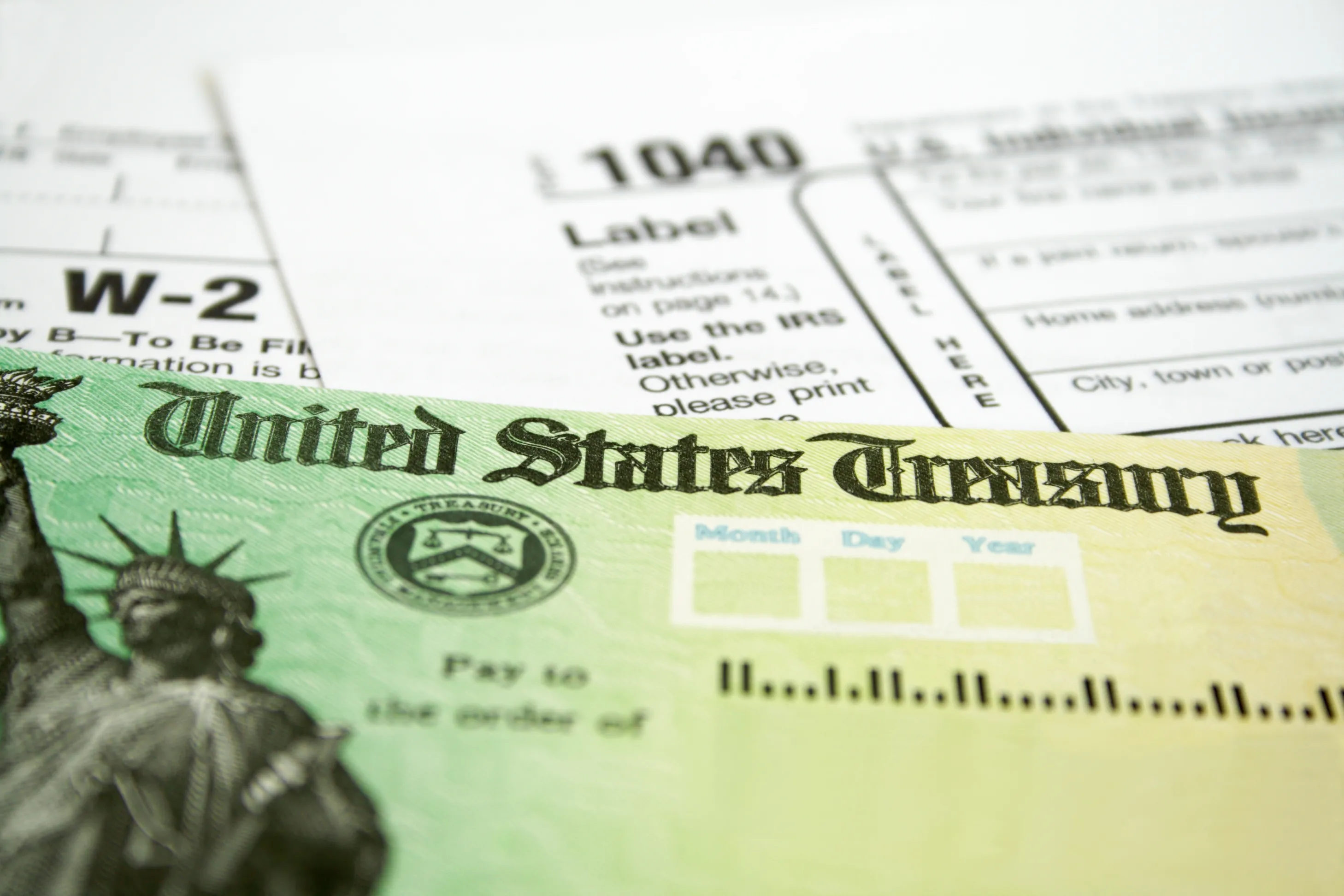
Treasury Secretary Scott Bessent has suggested that many Americans may see larger tax refunds in 2026 due to changes in the tax code. This is because many taxpayers did not adjust their withholding after the passage of the OBBBA, resulting in over-withholding. The average tax refund in 2025 was $3,167, and estimates suggest that refunds could increase by $300 to $1,000 this year.
The IRS has introduced new forms to help taxpayers navigate these changes, including the Schedule 1-A, which calculates the savings from the deductions mentioned above. Additionally, Form 4547 allows parents of eligible children to open a Trump Account, a tax-advantaged savings tool for children born between Jan. 1, 2025, and Dec. 31, 2028.
Changes have also been made to the child tax credit, with the maximum amount increasing to $2,200 per qualifying child under 17 for 2025. The credit will be adjusted annually for inflation starting this year, providing more financial support to families. The credit is partially refundable, allowing taxpayers to receive a portion of it as a refund even if they do not owe any taxes.
Finally, taxpayers should be aware that paper checks for tax refunds are being phased out. Starting in 2025, all tax refunds will be issued electronically, in line with an executive order issued by former President Trump.
Overall, these changes in the tax code for 2026 provide new opportunities for taxpayers to save money and maximize their refunds. It is important for individuals and families to understand these changes and take advantage of any deductions and credits they may be eligible for.