Tesla investors urged to reject Elon Musk’s $1T pay package
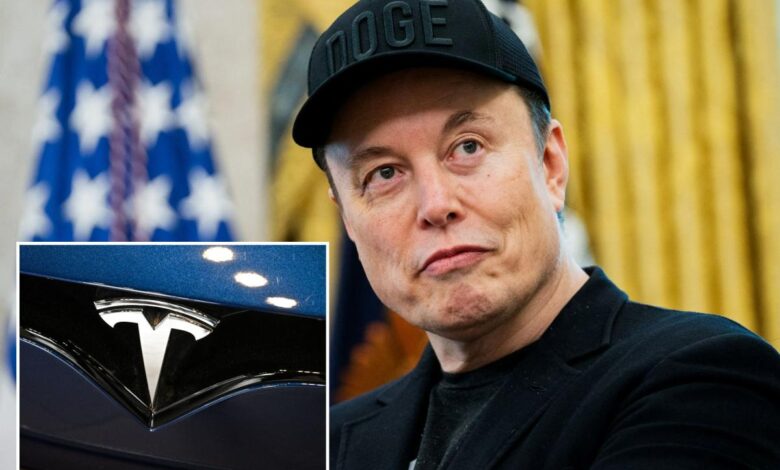
Tesla’s proposed $1 trillion pay package for CEO Elon Musk faces scrutiny once again as proxy adviser ISS advises shareholders to reject what could be the largest-ever compensation plan for a company chief.
ISS has now recommended rejecting Musk’s compensation plan for two consecutive years, with their influence extending to major institutional investors, including passive funds holding significant Tesla stakes.
This recommendation puts pressure on Tesla’s board ahead of a crucial shareholder meeting on Nov. 6 and reopens discussions on Musk’s compensation following a legal voiding of his previous $56 billion pay package.
Despite lofty performance targets, Musk’s Tesla pay plan could still result in substantial earnings due to a structure that rewards partial goal achievement and surging share prices.
Recently, Tesla’s board presented a $1 trillion compensation plan for Musk, aiming to address his desire for more control over the company and garnering positive investor sentiment driving Tesla’s stock upward.
ISS critiques the 2025 pay package for locking in high pay opportunities for the next decade, potentially limiting the board’s flexibility in adjusting future compensation levels despite the intention to retain Musk for his track record and vision.
Elon Musk’s ability to vote his shares this time could secure approval for the proposed plan, granting him significant voting power within Tesla.
ISS values the stock-based award at $104 billion, exceeding Tesla’s estimate of $87.8 billion, with vesting conditions tied to market capitalization milestones and operational targets.
As part of its voting recommendations, ISS’s guidance on Musk’s pay reflects broader considerations for shareholders and governance practices.