The Dental Myths Your Dentist Wants You To Stop Believing
Oral hygiene is essential for maintaining a healthy smile, but with the rise of social media trends and hacks, it can be challenging to discern fact from fiction. Dr. Briar Voy, a dentist and prosthodontist at Amsterdam Dental Group in New Jersey, warns that not all dental advice circulating online is trustworthy. To help you separate myths from reality, here are some common misconceptions dentists wish you’d stop believing.
Purple toothpaste has gained popularity for its supposed whitening effects due to color theory. However, Dr. Voy clarifies that while purple toothpaste can temporarily neutralize yellow tones and make teeth appear brighter, it does not actually whiten enamel. Some formulas may contain synthetic dyes or abrasive agents that can wear down enamel over time. For safe and effective whitening, Dr. Voy recommends professional treatments or non-abrasive whitening products.
Contrary to popular belief, crowns and veneers can pick up surface stains and benefit from professional cleanings. While traditional whitening methods may not work on these restorations, non-abrasive whitening products can help remove stains without damaging the surface. It’s essential to maintain the brightness of crowns, veneers, and natural teeth through regular dental care.
Rinsing with mouthwash immediately after brushing may seem like a good idea, but it can actually wash away fluoride and essential minerals needed to strengthen enamel. High-alcohol mouthwashes can also dry out the mouth and disrupt beneficial bacteria, increasing the risk of cavities. Dr. Voy recommends waiting at least 30 minutes after brushing before using mouthwash and opting for alcohol-free options.
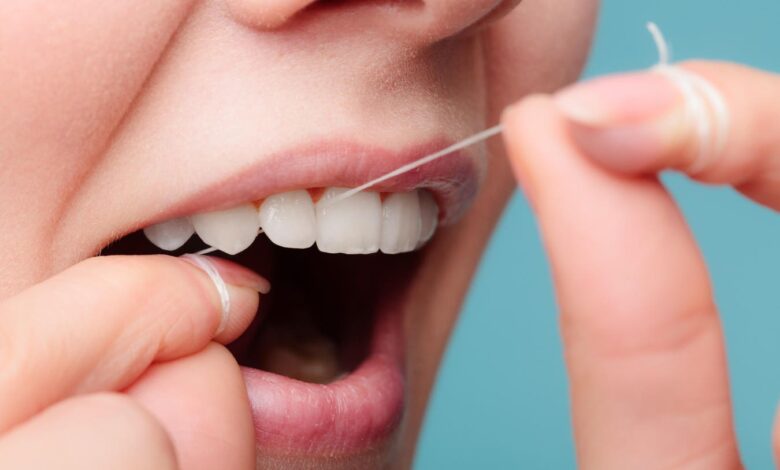
Flossing before brushing is key to a thorough cleaning routine, as it removes plaque and debris between teeth for a deeper clean. Brushing after flossing allows the active ingredients in toothpaste to strengthen enamel in hard-to-reach areas. Dr. Voy emphasizes that flossing before brushing provides superior cavity protection and overall oral health benefits.
The misconception that brushing harder leads to cleaner teeth is debunked by Dr. Voy, who warns that excessive pressure can damage gums, expose roots, and harm enamel. To avoid these issues, she recommends using a soft-bristled brush, angling it at 45 degrees to the gumline, and using gentle circular motions. By applying light pressure and using proper brushing techniques, you can achieve a deep clean without causing harm to your oral health.
While social media can be a source of inspiration, when it comes to oral hygiene, it’s crucial to trust evidence-based care and products that prioritize enamel and gum protection. By following expert advice and maintaining a consistent oral care routine, you can ensure a healthier smile for years to come.