The ‘Forever Home’ Mindset: Why Americans Are Renovating for Themselves, Not the Resale
For years, renovation advice often came with a resale-minded question: Will this help the house sell? In 2026, more homeowners are asking a different one: Will this make everyday life better for us?
That shift is captured in new housing research. According to Houzz’s 2026 Renovation Plans Study, 62% of homeowners planning renovations expect to stay in their homes for at least 11 years after the work is complete. About 45% consider the property their “forever home.”
Those numbers point to more than a decorating trend. They reflect a practical change in how Americans think about homeownership. High mortgage rates, limited housing inventory and the cost of moving have encouraged many people to improve the homes they already have instead of trading them for something else. For many households, renovation is no longer about preparing for the next buyer. It is about preparing for the next decade: or more: of their own lives.
The result is a more personal approach to design. Homeowners are choosing comfort, functionality, wellness and self-expression over neutral finishes intended to appeal to everyone. A renovation can still be a smart financial decision, but resale is no longer the only measure of success.
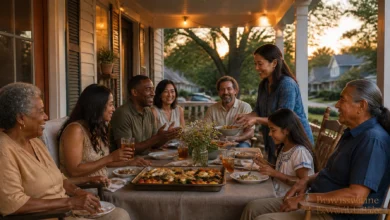
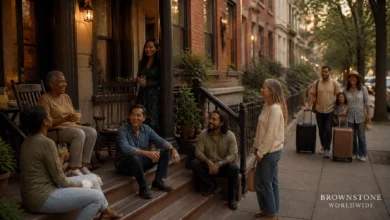
The home’s emotional value matters, too. People may want to stay near relatives, schools, longtime friends, places of worship, parks or neighborhood businesses. The right renovation can allow them to remain connected to a community while making the house better suited to changing needs.
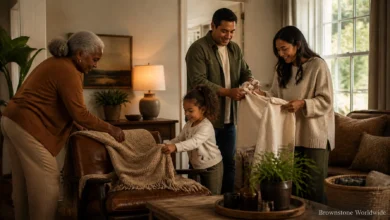
That is especially important as more households plan for aging in place and multigenerational living. A first-floor bedroom, a walk-in or curbless shower, wider pathways, improved lighting and a flexible room can make a home safer and more useful over time. These features may not create the dramatic “wow factor” of a high-end kitchen, but they can have a much greater impact on daily life.

One of the clearest design changes is the return of defined spaces. The open-concept floor plan is not disappearing, but homeowners are becoming more thoughtful about how rooms serve different purposes. A dining room can feel distinct from the living room. A home office can have enough separation for focused work. A reading corner can be protected from the noise of the kitchen.
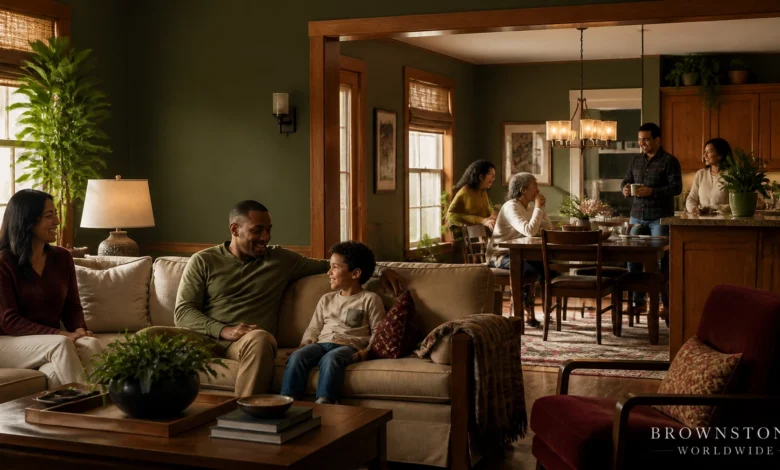
Color is helping create that distinction. Research and design reporting from Houzz and other industry sources point to growing interest in richer greens, deep teals, burgundy, ochre, terracotta and warm neutrals. Color drenching: using one color across walls, trim and sometimes the ceiling: is also gaining attention.
For a homeowner planning to stay put, a bold green dining room is not a risky resale choice. It may simply be the room that feels most welcoming at family gatherings. A patterned wallpaper in a powder room may not suit every future buyer, but it can bring personality to a space used every day. Personal taste is no longer something to hide behind layers of beige.
Materials are becoming more tactile and durable as well. Natural stone, warm wood tones, textured fabrics and handmade-looking surfaces can give a home a sense of permanence. Houzz’s 2026 home remodeling trends coverage highlights the movement toward warmer, more character-filled interiors rather than sterile, highly standardized finishes.
The goal is not necessarily to spend more. It is to spend more intentionally. A quality countertop, durable flooring or well-built storage may cost more initially, but it can support years of use. Choosing materials that can be repaired, refinished or maintained may also reduce the need for another major renovation later.
Wellness is another major part of the forever-home mindset. When people expect to remain in a house long term, they are more willing to design around how they actually feel and function there. That may mean a spa-like bathroom, a quiet place for meditation, a small home gym, improved acoustics or a bedroom that feels more restful.

Biophilic design: bringing nature into the home through plants, daylight, natural materials and earth-inspired colors: is helping shape these spaces. The appeal is straightforward: a home can feel calmer when it has access to sunlight, greenery, fresh air and organic textures.
A wellness renovation does not have to involve a full addition. It could be a cleared corner near a window, a better-organized bathroom, a comfortable chair for reading or a kitchen layout that makes healthy cooking easier. The most successful improvements often support routines that already matter to the people living there.
Sustainability also fits naturally into this long-term approach. Homeowners who plan to stay for years may look beyond short-lived aesthetics and consider energy-efficient windows, insulation, efficient heating and cooling systems, low-VOC finishes, reclaimed materials or responsibly sourced wood. Some projects may also include smart controls that make it easier to manage lighting, temperature and energy use.
These decisions should be made according to the home, budget and climate: not simply because a trend is popular. Natural stone, for example, can be durable, but it still requires careful selection and maintenance. Sustainable materials vary in cost and availability. A qualified contractor or building professional can help homeowners compare long-term performance, upkeep and environmental impact.

For homeowners considering a renovation, the first step is to define the life the home needs to support. Who will use each room? What activities are difficult today? Could the household change in five or ten years? Is there enough storage? Would a flexible room work as a nursery, office, guest room or caregiver space?
It is also worth separating permanent decisions from easy-to-change ones. A durable floor, accessible bathroom layout or improved electrical system deserves long-term planning. Paint, lighting, window treatments and furniture can evolve more easily. This balance allows homeowners to embrace personality without making every design decision feel irreversible.
Before work begins, create a realistic budget that includes permits, labor, materials, contingency funds and temporary disruptions. Get multiple estimates, verify licenses and insurance where applicable, and ask contractors how they handle changes or unexpected conditions. Renovating for yourself does not mean ignoring value; it means defining value more broadly than a future sales listing.
Start with the improvements that will change the way the household lives. Better storage may reduce daily stress. A more functional kitchen may make family meals easier. A shaded porch may encourage neighbors to stop and talk. A first-floor bathroom may provide peace of mind for years to come.
The “forever home” mindset is ultimately less about a particular color, countertop or floor plan than about belonging. A home should reflect the people who live there and the community they have chosen. As Americans renovate for longer stays, they are creating spaces that are more expressive, adaptable and grounded in real life.
What would you change if you knew you planned to stay in your home for the next 11 years? Would you add more color, create a quiet wellness space, improve accessibility or redesign a room for multigenerational living? Share your ideas with the Brownstone community, and visit BrownstoneWorldwide.com for more lifestyle, home and neighborhood stories.