The Owner’s ‘No’ Is a Tool, Not a Rejection
The steam was still rising from my coffee this morning when I looked at my inbox. Three "opportunities." Two "quick asks." One "can we just hop on a call?"
Before the sun was even fully up, five different people were trying to hand me a piece of their priority list.
I sat there for a second, the house quiet, and realized something that every leader eventually learns, usually the hard way. My "Yes" is expensive. It costs time. It costs focus. It costs peace. But my "No"? My "No" is a tool. It’s a precision instrument.
Most people see a "No" as a rejection. They think it’s a door slamming in someone’s face. But when you’re the one carrying the weight of a company, a team, or a vision, "No" isn't about being mean. It’s about being a steward. It’s about protecting the mission so you don’t lose the day, and the dream, to the noise.
The Trap of Being "The Guy"
A few years back, I found myself in a season where I was saying "Yes" to everything. I wanted to be helpful. I wanted to be the guy who could make things happen. I thought leadership was about opening doors, and every time I said "Yes," I felt like I was being a good founder.
We were looking at a partnership that looked incredible on paper. High visibility, decent money, and a chance to rub elbows with some heavy hitters. My team was excited. I was excited. But deep down, in that quiet place where the truth lives, I knew it didn't fit. It was a distraction dressed up as a promotion.
If I said "Yes," we’d have to pull our best people off our core project. We’d have to shift our marketing focus. We’d be chasing someone else’s goal for six months just for a chance to say we were "involved."
I had to walk into that room and say "No."
The air left the room. People looked disappointed. Some looked frustrated. In that moment, it felt like a rejection. It felt like I was the bottleneck. But three months later, when our core project took off because we had the bandwidth to do it right, that "No" became the smartest move we ever made.
Reframing the "No"
If you’re leading anything, a family, a small business, or a multi-national corporation, you have to stop seeing "No" as a negative.
Think of it like this: A "No" is a guardrail. On a mountain road, you don’t hate the guardrail because it stops you from turning left into the canyon. You love the guardrail because it keeps you on the path that leads to the top.
When an owner says "No," they aren't rejecting a person. They are protecting the mission. They are saying, "I care about our destination too much to let us wander off into the woods."
In the world of ByrdOlogy, we talk a lot about moving on purpose. You can’t move on purpose if you’re constantly being pulled in different directions by other people's agendas. Your "No" is the filter that keeps the engine running clear.
The Three Filters of a Strategic "No"
I don’t just say "No" because I’m grumpy (though some mornings I might be). I use a framework. Before I give anyone a "Yes," I run the request through three filters.
If it doesn’t pass all three, it’s a "No."
1. The Mission Fit
Does this actually advance what we said we were going to do?
A lot of things are "good ideas." Very few things are "mission-critical ideas." If it’s just a shiny object that looks cool but doesn’t move the needle on our primary goal, it’s a distraction.
2. The Tradeoff
This is the one leaders ignore the most. Every "Yes" is a hidden "No" to something else.
If I say yes to this new project, what am I saying no to? Am I saying no to my team’s sanity? Am I saying no to the quality of our current work? Am I saying no to my dinner with my family? There is always a trade. If the trade isn't worth it, the answer is "No."
3. The Capacity
Do we actually have the hands and the head-space to do this well?
Leading people means being responsible for their energy. If your team is already at 90% capacity and you drop a "quick ask" on them that takes them to 110%, you aren't being a leader. You’re being a weight. A "No" here is an act of respect for the people who work for you.
How to Say It Without Burning the House Down
The reason most entrepreneurs struggle with "No" is because they don't want to be the "bad guy." But you can use "No" as a tool without being a jerk.
It’s all in the delivery.
When you tie your "No" to the mission, it stops being personal. Instead of saying, "I don't want to do that," try saying, "That’s a great idea, but it doesn’t align with our current strategic priorities, so we’re going to pass."
Or try this: "If we take this on, we’ll have to delay our launch on the core project. I’m not willing to make that trade right now."
See what happened? You didn't reject the person. You honored the mission. You showed that you are a steward of the company’s focus. That’s not a rejection; that’s leadership.
Managing Expectations is a Mercy
One of the biggest mistakes we make is giving a "Maybe" when we know it’s a "No."
We do it to be "nice." We don’t want to hurt feelings. So we say, "Let me think about it," or "Circle back in a month." All you’re doing is dragging out the inevitable and wasting everyone’s time.
A clear, fast "No" is a mercy. It allows the other person to move on and find someone else or a different way. Dragging it out is a slow-motion rejection that builds resentment. Be direct. Be timely. Be clear.
One Move to Make Today
Look at your calendar for the rest of this week. Look at the "asks" sitting in your inbox right now.
Find one thing that doesn't fit the mission. Find one thing that is a distraction dressed as an opportunity. Find one thing that is pushing your team past their capacity.
And use your tool.
Say "No." Not because you’re closed-minded, but because you’re focused. Not because you’re a bottleneck, but because you’re a protector.
You carry real weight. Don't let the noise of a thousand "Yeses" crush the one thing you were actually called to build.
Get clear. Move on purpose. And come home intact.
What is the one "Yes" you’ve given recently that you need to turn into a "No" to protect your mission?
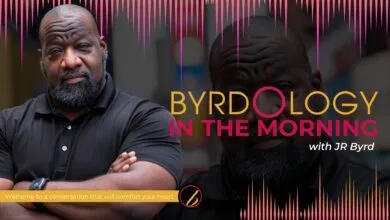
J. Richard Byrd | www.jrichardbyrd.com | is a business development mentor, media strategist, and CEO of The ByrdOlogy Group. ByrdOlogy In the Morning is a 4-minute daily leadership devotional available on YouTube, Spotify, and all major podcast platforms. | www.BLKHustle.com/byrdologyinthemorning |
{“@type”:”BlogPosting”,”image”:”https://cdn.marblism.com/w178xT3iV6q.webp”,”author”:{“url”:”https://www.jrichardbyrd.com”,”name”:”J. Richard Byrd”,”@type”:”Person”},”@context”:”https://schema.org”,”headline”:”The Owner’s ‘No’ Is a Tool, Not a Rejection”,”publisher”:{“logo”:{“url”:”https://cdn.marblism.com/kdojvAL689n.png”,”@type”:”ImageObject”},”name”:”ByrOlogy in The Morning”,”@type”:”Organization”},”articleBody”:”The steam was still rising from my coffee this morning when I looked at my inbox. Three ‘opportunities.’ Two ‘quick asks.’ One ‘can we just hop on a call?’ Before the sun was even fully up, five different people were trying to hand me a piece of their priority list. I sat there for a second, the house quiet, and realized something that every leader eventually learns—usually the hard way. My ‘Yes’ is expensive. It costs time. It costs focus. It costs peace. But my ‘No’? My ‘No’ is a tool. It’s a precision instrument. Most people see a ‘No’ as a rejection. They think it’s a door slamming in someone’s face. But when you’re the one carrying the weight of a company, a team, or a vision, ‘No’ isn’t about being mean. It’s about being a steward. It’s about protecting the mission so you don’t lose the day—and the dream—to the noise. If you’re leading anything—a family, a small business, or a multi-national corporation—you have to stop seeing ‘No’ as a negative. Think of it like this: A ‘No’ is a guardrail. On a mountain road, you don’t hate the guardrail because it stops you from turning left into the canyon. You love the guardrail because it keeps you on the path that leads to the top. When an owner says ‘No,’ they aren’t rejecting a person. They are protecting the mission. They are saying, ‘I care about our destination too much to let us wander off into the woods.’ Look at your calendar for the rest of this week. Look at the ‘asks’ sitting in your inbox right now. Find one thing that doesn’t fit the mission. Find one thing that is a distraction dressed as an opportunity. Find one thing that is pushing your team past their capacity. And use your tool. Say ‘No.’ Not because you’re closed-minded, but because you’re focused. Not because you’re a bottleneck, but because you’re a protector.”,”description”:”Leadership is about more than saying yes. Learn why the owner’s ‘no’ is a strategic tool to protect the mission, manage expectations, and keep your team focused on what matters most.”,”datePublished”:”2026-06-28″}