Treasury posts unexpected surplus in June as tariff receipts surge
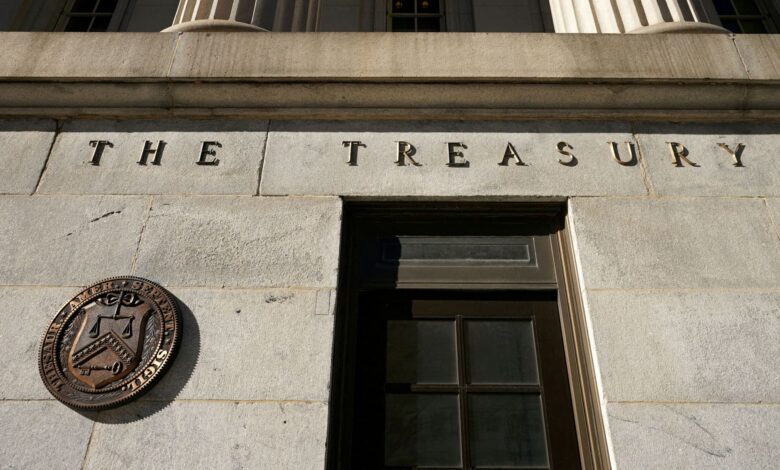
The U.S. government recently announced a surplus for the month of June, thanks to a boost in receipts from tariffs. This surplus of over $27 billion comes after a large deficit of $316 billion in May. Despite the surplus, the fiscal year-to-date deficit stands at $1.34 trillion, a 5% increase from the previous year.
Receipts saw a 13% increase compared to the same month last year, helping to offset a 7% decrease in outlays. Overall, receipts for the year are up 7% while spending has risen by 6%. The government last reported a surplus in June back in 2017 during President Donald Trump’s first term.
Tariff collections have played a significant role in shoring up government finances, with customs duties totaling about $27 billion in June, a substantial increase from the previous month and a 301% surge from June 2024. On an annual basis, tariff collections have reached $113 billion, an 86% increase from the previous year.
The Treasury Department noted that the surplus for the month benefited from calendar adjustments, without which the deficit would have been $70 billion. However, net interest on the national debt remains a significant challenge for federal finances, totaling $84 billion in June and projected to reach $1.2 trillion for the full fiscal year.
President Trump has been advocating for the Federal Reserve to cut short-term rates to alleviate the financing burden of servicing federal debt. Despite this, the central bank is not expected to ease rates until September, with Fed Chair Jerome Powell expressing concerns about the impact of tariffs on inflation.
The recent spending bill passed through Congress is expected to add approximately $3.4 trillion to the national debt over the next decade, according to projections from the Congressional Budget Office. Overall, the government continues to grapple with balancing its budget amidst increasing expenditures and tariff-related revenue.