Treasury Secretary Bessent says GDP could take a hit from the government shutdown
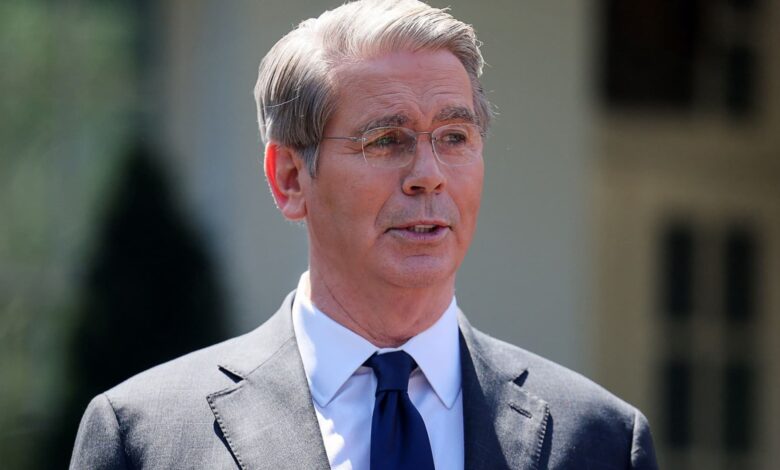
Treasury Secretary Scott Bessent recently expressed concerns about the potential impact of the government shutdown on the U.S. economy. In an interview on CNBC’s “Squawk Box,” Bessent emphasized that shutting down the government and lowering the GDP is not a productive way to resolve differences. He warned that the ongoing standoff in Washington, D.C. could lead to a hit on economic growth and working Americans.
The current closure of the government comes at a time when the U.S. economy has been showing signs of improvement. With GDP growth reaching 3.8% in the second quarter and projected to maintain a similar pace in the third quarter, the country seemed to be on a positive trajectory. However, the prolonged shutdown could disrupt this progress, especially if President Donald Trump decides to permanently dismiss a significant number of federal workers affected by the situation.
While previous government shutdowns have had minimal impact on economic growth, the current situation presents a different challenge. The labor market, in particular, is facing uncertainties, with private payrolls declining by 32,000 in September and announced layoffs reaching a high not seen since the Covid pandemic in 2020.
In addition to the economic concerns, Bessent also mentioned upcoming announcements regarding support for farmers, especially in the soybean industry. He highlighted ongoing interviews to find a successor for Fed Chair Jerome Powell, whose term expires in May 2026. Bessent revealed that he has been in discussions with 11 potential candidates for the central bank chief position and that a final decision is expected from President Trump after a thorough selection process.
As the government shutdown continues to unfold, the potential impact on the economy remains a pressing issue. With uncertainties looming over the labor market and other sectors, finding a resolution to the standoff in Washington is crucial to maintaining economic stability and growth. Stay tuned for updates on how these developments will shape the future of the U.S. economy.