Trump announces tariff deal with South Korea — U.S.’s 6th-biggest trading partner
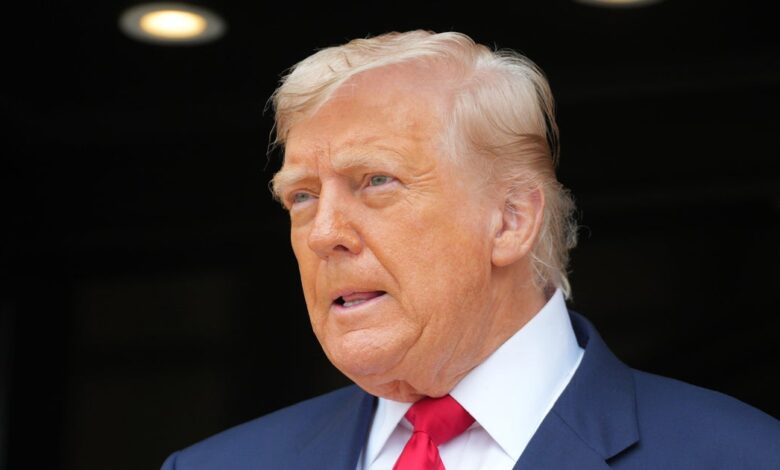
President Trump has made a significant announcement, revealing that he has successfully negotiated a trade deal with South Korea. This deal marks a positive step in the ongoing efforts to strengthen trade relations between the two countries.
In a post on Truth Social, President Trump shared that as part of the agreement, South Korean goods will now be subject to a 15% tariff, a reduction from the previously threatened 25%. Importantly, U.S. exports to South Korea will not face any tariffs, signaling a more open trade environment between the two nations. Furthermore, South Korea has agreed to accept U.S. automobiles, a move that will benefit American manufacturers.
South Korean President Lee Jae-myung also confirmed the deal through a Facebook post, highlighting the mutual benefits that the agreement will bring. In addition to the tariff adjustments, President Trump revealed that South Korea has committed to investing $350 billion in U.S.-owned and controlled investments, selected by the president himself. This significant investment will support South Korean companies looking to enter the U.S. market, particularly in industries like semiconductors and biotech.
Moreover, South Korea has pledged to purchase $100 billion worth of liquefied natural gas or other energy products from the U.S. Additionally, the country will make substantial investments for their own purposes, further enhancing economic cooperation between the two nations.
With South Korea being the U.S.’s sixth-largest trading partner, this trade deal holds significant importance for both countries. Last year, the U.S. imported $131.5 billion worth of goods from South Korea, while South Korea purchased $65.5 billion in American goods. Notably, a substantial portion of U.S. imports from South Korea consists of cars and car parts, with a value of over $45 billion.
President Trump’s successful negotiation with South Korea follows similar trade deals with Japan and the European Union. However, discussions are still ongoing with Canada, Mexico, and China, the U.S.’s three largest trading partners. The president’s firm stance on imposing tariffs has prompted many countries to reach agreements, with tariffs expected to average between 15% to 20% on most imports to the U.S.
While President Trump believes that these tariffs are necessary to address unfair trading practices and boost American manufacturing, economists have expressed concerns about potential negative impacts on inflation and economic growth. Despite these warnings, consumer prices have remained relatively stable, attributed in part to companies taking preemptive measures to mitigate tariff-related shocks.
Overall, the trade deal with South Korea represents a significant milestone in President Trump’s trade negotiations, showcasing his commitment to promoting fair and beneficial trade relationships for the United States. As discussions continue with other key trading partners, the outcomes of these negotiations will play a crucial role in shaping the future of global trade dynamics.