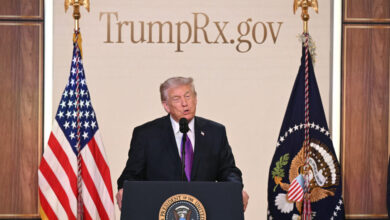
Trump’s marijuana reclassification could boost research, access
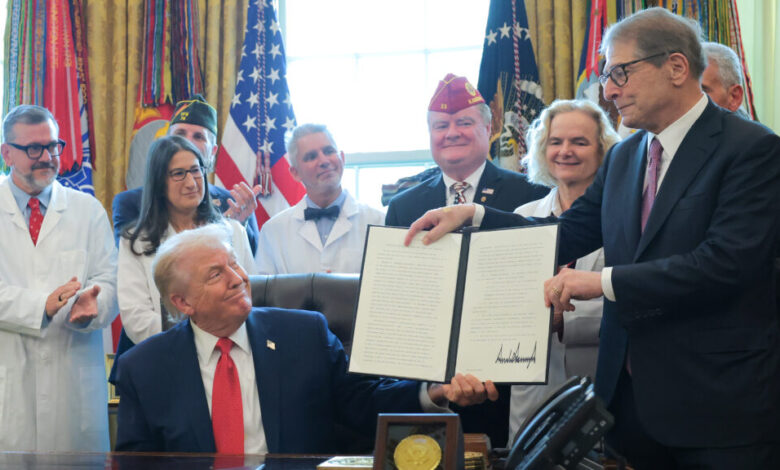
President Trump made a bold move on Thursday by signing an executive order that directs the federal government to reclassify marijuana as a Schedule III substance. This decision marks a significant shift in American drug policy, sparking debates between advocates for more research and those who are concerned about the implications of such a move.
Under the new classification, marijuana will remain illegal under federal law. However, this reclassification could open the door for more research into cannabis, according to federal officials. Some warn that this decision could also benefit the marijuana industry by allowing major tax breaks that were previously prohibited under the substance’s current classification.
While the Trump administration sees this as a step in the right direction to address the needs of Americans who use marijuana for medical purposes, there has been immediate condemnation from groups like Smart Approaches to Marijuana. They have called the move a “public health disaster” and have threatened legal action if the rescheduling process is finalized.
During the signing ceremony in the Oval Office, President Trump highlighted the testimonials of many Americans who have found relief from pain and medical conditions through the use of marijuana or cannabis-derived products. He emphasized the importance of listening to the needs of patients who suffer from various ailments and conditions.
Despite the support for rescheduling marijuana, opponents argue that this decision could lead to increased marijuana use and benefit the marijuana industry. Kevin Sabet, President of Smart Approaches to Marijuana, criticized the move as a betrayal of the president’s promise to keep Americans safe and healthy, suggesting that it could incentivize the industry to target children with addictive products.
It is important to note that while President Trump’s executive order directs the attorney general to expedite the process of rescheduling marijuana to Schedule III, the final decision is still pending. The rescheduling process requires involvement from the Drug Enforcement Administration and the Department of Health and Human Services, with new research methods being developed to evaluate the potential benefits of cannabis.
Despite the potential implications of rescheduling marijuana, access to the substance remains largely regulated on a state-by-state basis. The move is unlikely to significantly change the landscape of marijuana access, both legal and illicit. Nora Volkow, Director of the National Institute on Drug Abuse, expressed cautious optimism about the potential benefits of cannabis-derived treatments but also highlighted the risks, particularly for youth.
In conclusion, President Trump’s decision to reclassify marijuana as a Schedule III substance has sparked debates and raised questions about the future of drug policy in America. While this move could pave the way for more research into cannabis, it also raises concerns about the impact on public health and the marijuana industry. Only time will tell how this decision will shape the future of marijuana regulation and access in the United States.