Ultimate Guide to Real Estate App Development
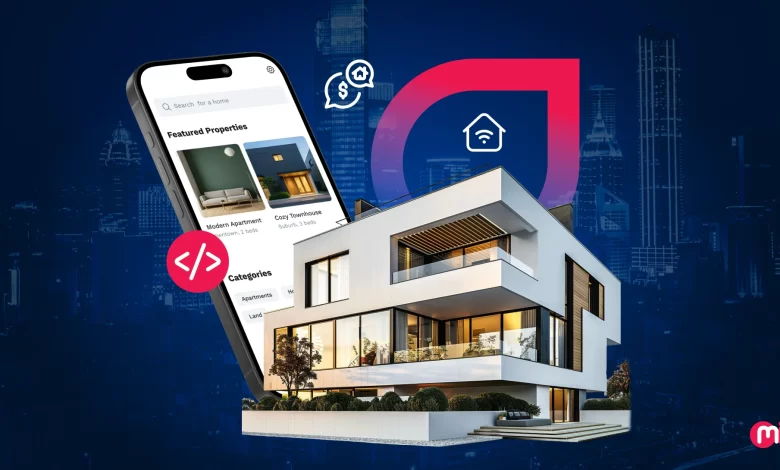
Real estate app development is a crucial aspect that requires meticulous planning, the right choice of platforms and technology stack, and a deep understanding of feature integration. In this article, we will delve into the intricacies of developing real estate apps, focusing on key steps, significance, cost estimation, and monetization strategies. We will also highlight must-have features like AI-powered tools, secure payments, and property listings that are essential for delivering user-friendly apps and driving growth in the digital real estate market.
The landscape of buying, selling, and renting properties has been completely transformed by cutting-edge technologies. Today, virtually all buyers utilize digital platforms at some point during their property search, underscoring the importance of real estate app development in this digital-first era. From securing mortgages and browsing listings to taking 3D virtual tours and signing contracts digitally, advanced real estate apps have become the backbone of the modern property marketplace.
For PropTech startups, real estate organizations, and agents, investing in custom real estate app development is no longer an option but a necessity for growth. Whether you operate in the fast-evolving Asia-Pacific housing ecosystem, the thriving European PropTech sector, or the competitive US real estate market, a well-designed and developed app can give you a competitive edge, unlock new revenue streams, and enhance customer experiences.
To guide you through the process of real estate app development, we have compiled an A-Z guide that covers everything from the basics to advanced features, cost breakdowns, and market trends.
Significance of Mobile Apps for Real Estate Businesses
Real estate apps offer more than just virtual tours and digital property listings. These dynamic platforms streamline processes for investors, agents, sellers, and buyers. Some significant benefits of real estate apps include:
- Smarter Search: Intelligent search features and filters help users find properties that meet their needs.
- Easy Accessibility: Clients can search for properties from anywhere, at any time, with a tap on their mobile devices.
- Immersive Experiences: AR/VR features facilitate virtual property tours, eliminating the need for physical visits.
- Data-Driven Insights: Data analytics help realtors and agents understand client preferences and market trends.
- Transparency and Trust: Real estate app development enables real-time collaboration, digital contracts, and secure payments.
- Better Revenue Potential: Advanced features support monetization through commission models, ads, or premium listings.
Different Types of Real Estate App Development
The real estate industry offers various digital solutions tailored to different target audiences, such as investors, agents, buyers, or renters. Some common types of real estate apps include:
- Property Listing Apps: Platforms where users can search, filter, and compare properties, with features like mortgage calculators and virtual tours.
- Rental Marketplace Apps: Connect tenants directly with landlords for temporary or permanent rentals, featuring payment gateways and booking calendars.
- Real Estate Aggregator Apps: Curate listings from various sources for seamless comparisons, relying on APIs and robust backend systems.
- Real Estate Investment Apps: Designed for investors to predict trends, ROI, and ownership potential, with analytics dashboards and crowdfunding features.
- Smart Home Integration Apps: Merge property listings with IoT features like smart locks or lighting for modern buyers.
- Commercial Real Estate Apps: Focus on properties like warehouses, retail outlets, and office spaces, with features for business tenant management and 3D visualization.
- Broker/Agent Management Apps: Assist brokers and agents in managing leads, client interactions, and portfolios, serving as CRM platforms with task automation.
- Auction and Bidding Apps: Enable users to bid and participate in live property auctions, featuring real-time notifications and robust security.
- Neighborhood and Lifestyle Apps: Provide information on local amenities, culture, security ratings, hospitals, or schools to help users make informed decisions.
Must-Have Features of a Successful Real Estate App
When developing a real estate app, it is essential to incorporate key features that ensure trust, speed, and simplicity for users. Some critical features include:
- Secure Payments: Blockchain-powered transactions and digital contracts.
- User Authentication: Multi-factor authentication and social login.
- Admin Dashboard: Analytics, reporting, and agent management.
- High-quality Media: 3D/VR tours, videos, and HD photos.
- Mortgage and EMI Calculator: Financial clarity for renters and buyers.
- Map Integration: Street View, Google Maps, and nearby facilities.
- Property Listings with Filters: Amenities, size, price range, and location.
- Push Notifications: Real-time alerts for new listings and price drops.
- Favorites and Shortlisting: Save and compare properties.
- In-app Chat and Call: Direct communication with agents.
- Advanced Search: AI-powered voice search and personalized recommendations.
How to Build a Real Estate App?
Successful real estate app development involves more than just coding; it requires design thinking, strategic planning, tech stack selection, optimization, and expert mobile app development services. Here are the steps to build a real estate app that meets user expectations and drives business growth:
- Market Research and Competitor Analysis: Understand the target audience and analyze popular real estate apps to identify key features.
- Define Business Objectives and Monetization Models: Clearly define the app’s purpose and choose a revenue model.
- Wireframing and UI/UX Design: Design user flow, prioritize mobile-first design, and integrate interactive components.
- Choose the Tech Stack: Select the ideal technologies for scalability and performance.
- Core Feature Integration: Implement essential features like push notifications, maps, search, and messaging.
- Advanced Feature Integration: Incorporate advanced features like AR/VR, AI recommendations, and chatbots.
- QA Testing and Quality Assurance: Test for performance, functionality, and security.
- Deployment and Launch: Launch the app on app stores and optimize app store listings.
- Post-Launch Support and Maintenance: Provide ongoing support, upgrades, and enhancements based on user feedback.
Challenges in Real Estate App Development and Their Best Solutions
Despite the benefits of real estate apps, several challenges can arise during development. Some common challenges and solutions include:
- Managing Large Property Databases: Use MLS APIs, data caching, and cloud-based databases for efficient data management.
- Building Precise Search and Filter Functions: Deploy map-based search, advanced filters, and AI-based algorithms for accurate results.
- Ensuring Secure Transactions: Use blockchain smart contracts, secure payment gateways, SSL encryption, and multi-factor authentication.
- Delivering a Seamless User Experience: Test functionality with beta users, optimize for different devices, and follow best UI/UX practices.
Significant Monetization Models for Real Estate Apps
Monetizing a real estate app is crucial for revenue generation. Some effective monetization models include:
- Subscription Plans: Charge property managers and realtors for listing and promotion.
- Featured Listings and Premium Ads: Offer premium placement for additional fees.
- Commission-Based Model: Deduct a service fee from successful transactions.
- Freemium Model: Provide basic services for free and charge for advanced features.
- Lead Generation: Gather leads and pass them to agents for a commission.
- Affiliate Marketing: Partner with third-party service providers for additional revenue.
- White-Label Solutions: Offer personalized versions to real estate organizations.
Real Estate App Development Cost Estimation
The cost of developing a real estate app varies based on factors like project complexity, features, platforms, and development team location. The cost breakdown typically includes:
- Basic Real Estate App (MVP): $25,000 – $40,000
- Mid-Complex App: $40,000 – $80,000
- Advanced Real Estate App: $80,000 – $150,000 or more
Factors influencing the cost of real estate app development include app complexity, platform choice, UI/UX design, development team location, and third-party integrations.
Why Choose MindInventory for Next-Gen Real Estate App Development
MindInventory offers expertise in real estate app development, leveraging technologies like IoT, blockchain, AR/VR, and AI to deliver cutting-edge solutions. With over 15 years of experience, we help businesses design and deploy intuitive, future-ready real estate apps tailored to global market demands. Our Agile methodologies ensure faster time-to-market, while our technical proficiency guarantees resilient, high-performing apps.
FAQs on Real Estate App Development
- Top real estate app development trends: AI-powered recommendations, AR/VR tours, blockchain transactions, sustainable insights, geo-location targeting, IoT integration, voice search.
- Timeline to build a real estate app: Basic MVP (3-4 months), Mid-Level App (5-7 months), Enterprise-Grade Apps (8-12+ months).
- Ensuring secure transactions: SSL encryption, trusted payment gateways, secure user verification.
- Engaging with users post-launch: Social media campaigns, referral programs, local SEO, collaborations with developers and brokers.
In conclusion, real estate app development is a critical investment for businesses looking to thrive in the digital real estate market. By incorporating advanced features, prioritizing user experience, and choosing the right monetization model, real estate apps can drive growth, enhance customer experiences, and stay ahead of the competition. If you’re considering developing a real estate app, partnering with a seasoned development team like MindInventory can help you achieve your goals and create a robust digital presence in the real estate industry.