US and Iran Hold Fire for Second Day as Oil Prices Slide and Netanyahu Heads to Washington
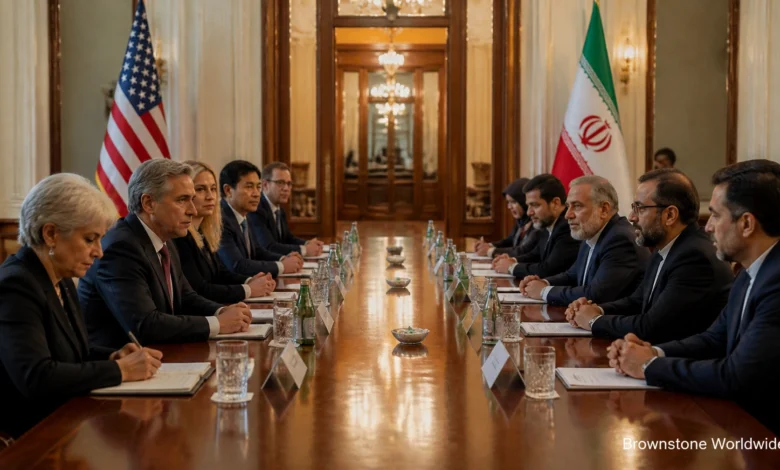
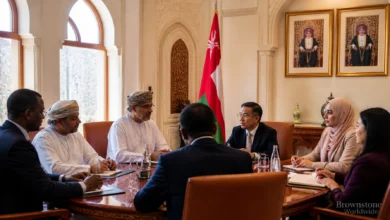
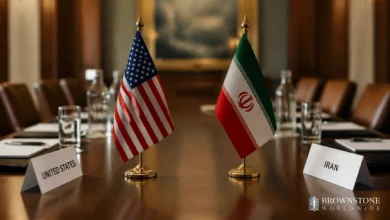
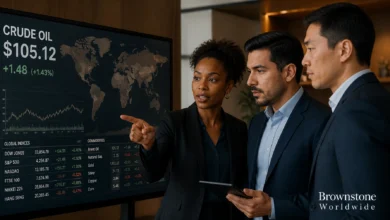
Global markets are breathing a collective sigh of relief as the United States and Iran have successfully held a pause in military strikes for a second consecutive day. This diplomatic window has opened up just as negotiations in Oman gain momentum, leading to a significant slide in oil prices. Brent crude fell below $90 a barrel this morning, a welcome shift for consumers after weeks of volatility. However, the geopolitical landscape remains tense as Israeli Prime Minister Benjamin Netanyahu prepares for a critical visit to the White House to discuss regional security.

While the Persian Gulf sees a temporary quiet, other regions are facing renewed escalations. A tragic strike on a supermarket in Chernihiv, Ukraine, resulted in the loss of a child’s life, while Ukrainian drones reportedly targeted sites in Belgorod and Rostov-on-Don. Simultaneously, Houthi forces have continued their campaign against Saudi oil installations along the Red Sea coast. These developments remind us that global stability is fragile, and the path to lasting peace is often met with localized setbacks that ripple through the international community.

This matters because the cooling of tensions in the Middle East directly impacts our everyday lives, most notably through energy costs and market stability. When key chokepoints like the Strait of Hormuz are protected, it reduces the immediate risk of supply shocks. For you, this likely translates to lower prices at the gas pump and a more stable outlook for your retirement accounts and investments. It’s a moment of cautious optimism in an otherwise complex global environment.

To stay ahead of these shifts, keep a close eye on market updates and consider how fluctuating energy prices might affect your household budget this summer. You can also visit the Brownstone Marketplace for daily deals that help offset any unexpected costs. We want to hear from you: do you believe this diplomatic pause is the start of a long-term solution, or is it just a temporary break in the storm? Let’s talk about it in the comments below.