US, China near TikTok deal to finally resolve the question of app’s ‘secret sauce’ algorithm: sources
The US and China Close in on TikTok Deal
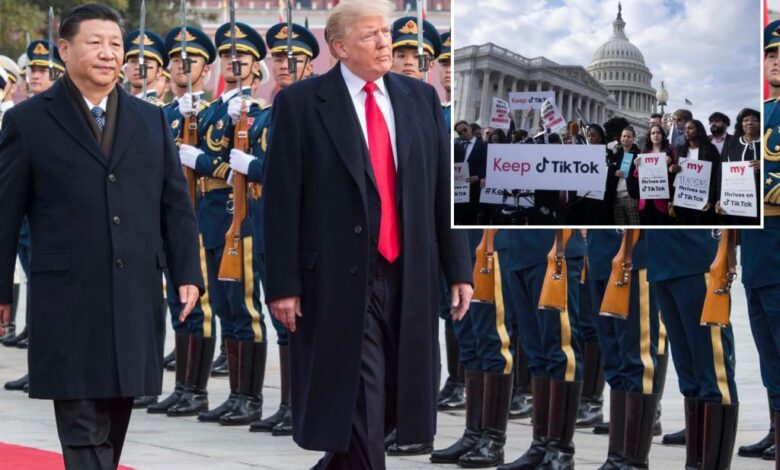
The US and China are nearing a deal to prevent a ban on TikTok, which would involve China allowing US tech experts to replicate and replace the app’s recommendation algorithm, according to sources.
White House officials have confirmed a “framework” for an agreement to address the ongoing dispute over TikTok’s operations in the US, addressing concerns ranging from national security to mental health.
The proposed deal includes selling a controlling stake in TikTok to US investors, satisfying a congressional law that requires the app to separate from its ties to Beijing.

Sources indicate that the details of the deal, including the handling of the algorithm, are subject to change.
The agreement paves the way for the establishment of a new US company valued at up to $50 billion to serve 172 million US users. Major stakeholders in the new entity will include Jeff Yass and Bill Ford, among others.
ByteDance, the Chinese company behind TikTok, will retain a 19.9% stake in the new US company, while maintaining control of TikTok’s global operations.
Larry Ellison of Oracle will play a significant role in hosting the new US company in Oracle’s cloud infrastructure, with discussions ongoing about equity stakes.
The ownership of TikTok’s algorithm has been a crucial point of negotiation in US-China trade talks.
President Trump has delayed the ban on TikTok and is expected to issue another extension to finalize the details of the new arrangement.
Some lawmakers remain concerned about TikTok’s ties to China, citing surveillance and propaganda issues. The new structure aims to address these concerns by ensuring Chinese control is eliminated.
The latest extension to keep TikTok operational was set to expire soon, but a potential deal has been reached to keep the app running in the US.
The proposed compromise allows the US investor group to replicate TikTok’s algorithm, detach it from Chinese influence, and operate it as a US-based app.