US wholesale prices jump in July as Donald Trump’s tariffs hit
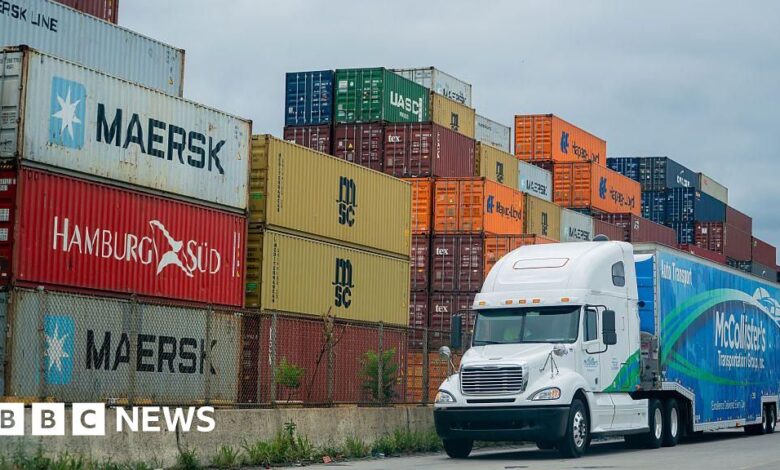
US Producer Prices Surge Amid Tariff Impact
Producers in the US raised their prices at the fastest pace in more than three years last month as companies grappled with new costs from tariffs introduced by US President Donald Trump.
The latest data from the Labor Department revealed that the producer price index, which measures the selling price commanded by US producers, surged by 0.9% from June to July. This significant increase came after a period of stagnation in the previous month.
Economists had forecasted a more modest 0.2% increase, underestimating the impact of the new tariffs on wholesale prices. The unexpected surge in producer prices is expected to trickle down to consumers in the form of higher prices.
Despite recent data showing stable consumer prices in July, concerns about inflation resurfaced with the sharp rise in producer prices. Analysts warn that the trend of increasing prices could persist in the coming months.
Impact of Tariffs on US Economy
Since President Trump implemented new tariffs on imported goods, the average effective tariff rate in the US has surged. The rationale behind these tariffs is to generate revenue for the government and provide US manufacturers with a competitive advantage.
However, economists caution that the ramifications of these tariffs may result in higher costs for businesses and consumers. The push for increased production within the US could prove to be costly and challenging.
The escalating inflation pressures stemming from the tariffs could complicate the Federal Reserve’s decision-making process regarding interest rates, which President Trump has been urging to lower.
While the Federal Reserve operates independently from the White House, the recent economic indicators have intensified calls for a rate cut to stimulate the economy amidst sluggish job growth and tepid inflation.
Challenges Ahead for the Federal Reserve
The unexpected 0.9% surge in US producer inflation marks the largest increase since June 2022, during the peak of post-pandemic inflation in the country. Services saw a notable 1.1% increase in wholesale prices, while goods experienced a 0.7% jump.
Categories heavily impacted by tariffs, such as home furniture and apparel, witnessed price hikes as well. The ongoing cost pressures from tariffs are expected to be passed on to consumers in the near future.
As the Federal Reserve navigates the complex economic landscape, the decision on interest rates remains crucial. The balance between addressing inflation concerns and stimulating economic growth poses a significant challenge for the central bank.