Vaccine panel’s hepatitis B vote signals further turbulence for immunization policy, public trust
The Impact of Hepatitis B Policy Changes on Public Health
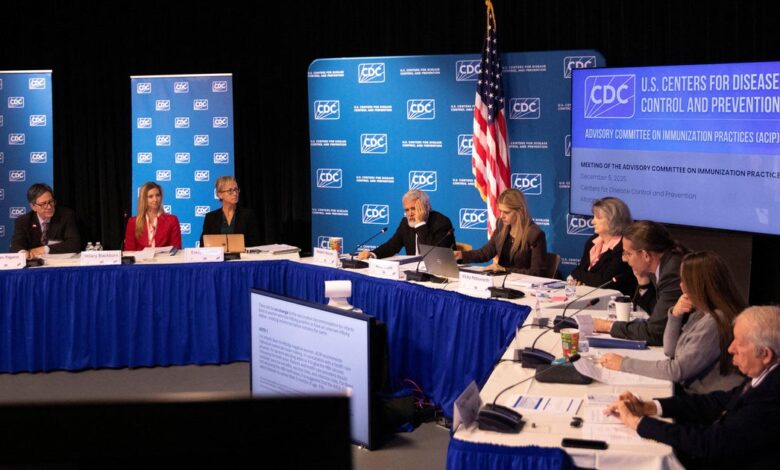
Dr. Su Wang’s personal experience with hepatitis B has shaped her career in public health. Infected at a young age, she now serves as the medical director for viral hepatitis programs at RWJBarnabas Health in New Jersey. Her story has become a focal point in the recent decision by the Centers for Disease Control and Prevention’s Advisory Committee on Immunization Practices to change the universal recommendation for the hepatitis B vaccine for newborns.
The new policy, which shifts towards individual-based decision-making, will only automatically administer the vaccine to infants born to mothers who test positive for hepatitis B. For all other infants, the birth dose can be delayed until 2 months of age, if the parents choose to vaccinate.
Controversy Surrounding the Policy Change
The decision by the ACIP, appointed by Health and Human Services Secretary Robert F. Kennedy Jr., has sparked debate among clinicians and epidemiologists. While some see it as a move towards parental choice, others view it as a dangerous rollback that could reverse decades of progress in eliminating hepatitis B.
Experts warn that delaying the birth dose could lead to an increase in avoidable infections and undermine the progress made in combating the virus. The effectiveness of the universal birth dose, implemented in 1991, has significantly reduced pediatric hepatitis B infections in the U.S.
The Importance of Universal Vaccination
Hepatitis B is a highly infectious virus that can spread through everyday contact and has serious long-term health implications, including liver cancer. The universal birth dose of the vaccine has been instrumental in preventing infections and related complications.
Dr. Trieu Pham, a physician who contracted hepatitis B at birth, emphasizes the importance of timely vaccination. His personal experience with the virus, which led to liver failure and a transplant, highlights the significance of early protection through vaccination.
Lessons from Past Strategies
The history of hepatitis B vaccination in the U.S. illustrates the limitations of targeted approaches based on risk factors. Previous policies that relied on identifying high-risk groups failed to contain transmission, leading to the adoption of universal vaccination for infants in 1991.
The shift towards individual-based decision-making raises concerns about equitable access to vaccination, particularly for at-risk populations such as immigrant families and communities where hepatitis B is endemic. Delaying the first dose of the vaccine could result in preventable infections and long-term health consequences.
Conclusion
The debate over the new hepatitis B policy reflects a broader challenge in public health – balancing individual choice with population-based interventions. The decision to change the universal recommendation for the vaccine raises questions about the effectiveness of testing as a replacement for universal safeguards and the potential impact on vulnerable populations.
As the U.S. becomes the only country to abandon the universal birth dose recommendation for hepatitis B, the long-term consequences of this policy change remain uncertain. Dr. Wang emphasizes the importance of passing on the knowledge gained from previous strategies to ensure the continued protection of future generations.
Overall, the debate surrounding the hepatitis B vaccine policy highlights the complexities of public health decision-making and the need for evidence-based approaches to protect the most vulnerable members of society.
KFF Health News is dedicated to providing comprehensive journalism on health issues and is a vital resource for health policy research, polling, and journalism.