White House drops plan to make airlines pay travelers for delayed flights
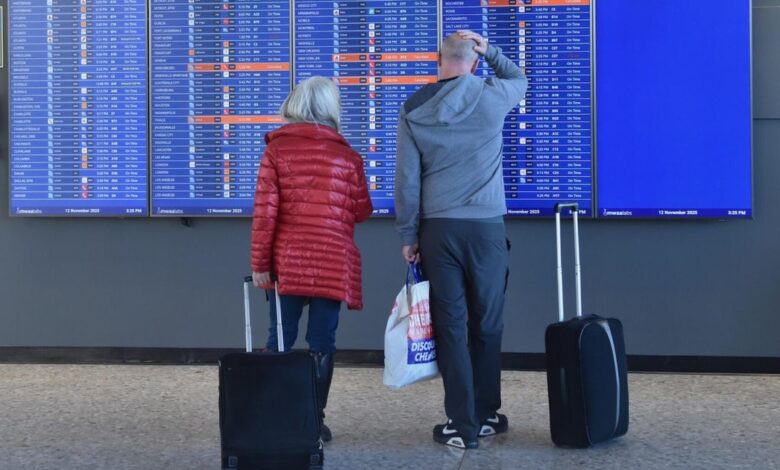
The decision by the Trump administration to scrap a proposed Biden-era rule that would have required airlines to compensate passengers for flight delays has sparked controversy and debate. The rule, introduced in 2024 under President Biden and then-Transportation Secretary Pete Buttigieg, aimed to hold airlines accountable for long delays by mandating payments ranging from $200 to $775 for domestic flights lasting three to nine hours.
The U.S. Department of Transportation officially withdrew the proposed rule, citing concerns about unnecessary regulatory burdens on airlines. The agency stated that allowing airlines to compete on services and compensation for passengers would be more effective than imposing minimum requirements through regulation.
Democratic senators who supported the rule argued that it was a common-sense proposal that would protect consumers from financial strain caused by flight delays. They emphasized the lack of similar protections for delays compared to cancellations, where passengers are entitled to refunds.
Despite the backlash from lawmakers and consumer advocates, the Transportation Department defended its decision to abandon the rule. A spokesperson clarified that the proposal was never enacted and does not reflect the current compensation entitlements for delays and cancellations.
The debate surrounding airline passenger rights and compensation continues to be a hot topic, with advocates pushing for greater accountability from airlines. As the industry grapples with the impact of the COVID-19 pandemic and ongoing challenges, the issue of customer protection remains a key concern for policymakers and travelers alike.
In conclusion, the Trump administration’s decision to scrap the proposed rule highlights the complex balance between regulatory oversight and market competition in the airline industry. As the debate rages on, it remains to be seen how future policies will address the challenges faced by passengers and airlines in an ever-changing travel landscape.