White House Sending Social Media Teams With FBI On Some Arrests In D.C
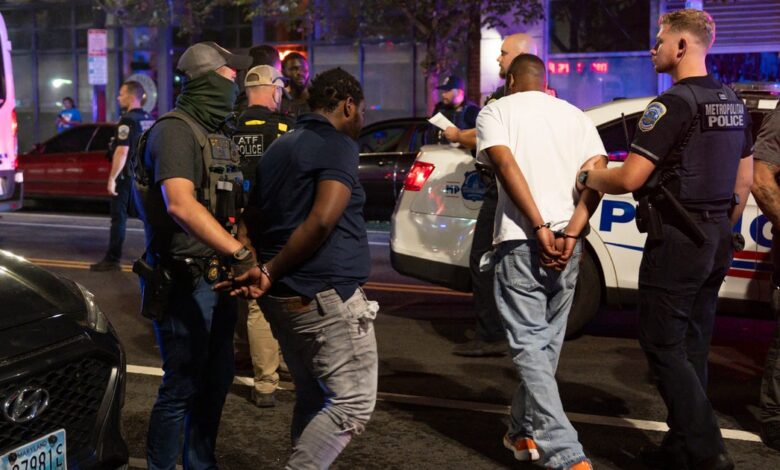
WASHINGTON, Aug 18 (Reuters) – The White House has deployed social media teams alongside FBI agents executing arrest warrants in the nation’s capital to produce videos promoting President Donald Trump’s crackdown on crime in the District of Columbia, according to sources familiar with the situation.
This unusual collaboration goes against Justice Department norms that aim to keep criminal investigations separate from political influence.
Legal experts warn that this practice could impact trials by creating pre-trial publicity and raise concerns about suspects’ privacy rights during arrests conducted in non-public areas.
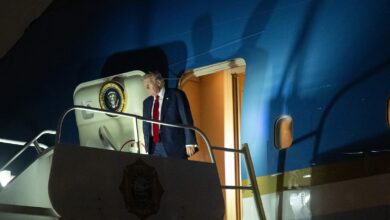
The White House’s increased involvement in FBI operations follows Trump’s decision to federalize the District of Columbia’s police department and deploy the National Guard to assist with street patrols. Critics view these actions as an abuse of power.
A video posted by the White House showcases the arrest of Sean Charles Dunn, a former Department of Justice employee facing assault charges for throwing a sandwich at a federal agent. The video, which shows armed agents apprehending Dunn, has garnered 2.4 million views.
According to sources, a White House social media team filmed Dunn’s arrest and continued to accompany the FBI squad throughout the evening.
The FBI declined to comment on the matter, while Dunn’s attorney refrained from discussing the White House’s role in filming the arrest.
Concerns have been raised about the constitutional implications of embedding social media teams to film arrests, potentially violating individuals’ privacy rights during the execution of warrants.
Former law enforcement officials and legal experts have expressed worries that filming arrests could undermine public trust in the FBI and compromise the bureau’s integrity and impartiality.
Constitutional Questions
White House employees have been stationed in the FBI’s command post overseeing the federal operation to report back on arrest numbers, sources reveal.
A social media post from the Drug Enforcement Administration featured White House officials at the command post alongside Justice Department representatives.
The FBI and Metropolitan Police Department have directed media inquiries about arrests involving federal agents to the White House in recent days.
Legal experts caution that allowing non-law enforcement social media teams to film arrests could infringe on individuals’ Fourth Amendment rights to privacy during warrant executions.
Former FBI agents highlight concerns about the impact of filming arrests on the bureau’s integrity and credibility.