With new tariffs in effect, economists see profit dips and price hikes up ahead
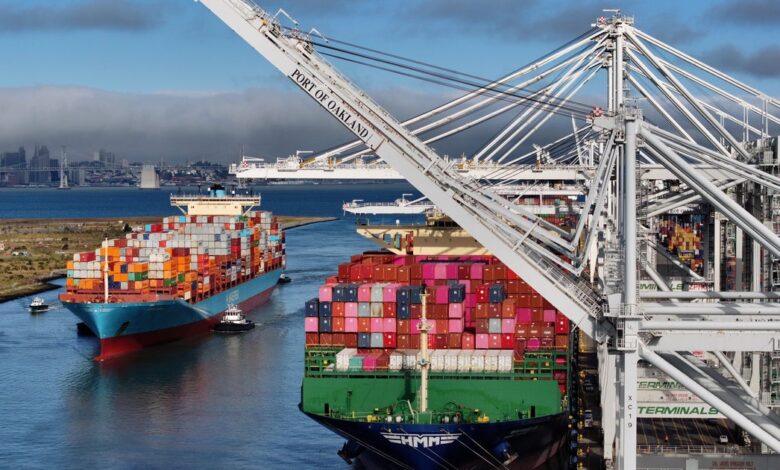
President Trump’s tariffs have officially gone into effect, and the impact on businesses and consumers is expected to be significant. Trade experts warn that the tariffs will likely lead to higher consumer prices and decreased profits for companies.
The new duties on imports from numerous trade partners will result in added costs for American businesses. While some companies have initially held off on raising prices, experts believe that they will eventually have to pass on these extra costs to consumers. Matt Schulz, chief consumer finance analyst at LendingTree, stated that businesses are unlikely to absorb the additional expenses indefinitely.
As a result, economists anticipate a wave of price hikes from corporations in response to the tariffs. Some companies have already implemented “tariff surcharges” to cover their increased costs. The tariffs have generated billions of dollars in revenue for the U.S., with the Treasury Department reporting a significant rise in tariff revenue since July 2024.
Despite the potential for revenue generation, tariffs are expected to negatively impact profits for companies. Importers must pay taxes to U.S. Customs and Border Protection, passing on these costs to consumers through higher prices. Gregory Daco, chief economist at EY-Parthenon, noted that foreign exporters are not reducing prices, indicating that American businesses and consumers bear the brunt of the tariff-induced inflation.
Various industries have already felt the effects of the tariffs on their profits. Automakers like Toyota have reported significant profit drops, attributing them to the tariffs. Liquor companies and retailers like Walmart have also warned of price increases due to the tariffs.
Some companies have stated that they will have to raise prices to offset the impact of the tariffs. Sonos, a consumer electronics maker, announced price hikes on its audio devices as a result of reciprocal tariffs on countries like Vietnam and Malaysia. Overall, Americans are expected to pay an average of 18.3% more for imported products due to the tariffs.
Economists predict that the higher costs from tariffs will lead to increased product prices and inflation. The average tariff rate is currently at a decades-high of 18%, exacerbating inflationary pressures. This could result in higher consumer price inflation and reduced consumer spending as households struggle to afford the rising prices.
While President Trump has touted tariffs as a means to reduce trade deficits and boost domestic manufacturing jobs, the widespread impact of these policies on businesses and consumers is becoming increasingly apparent. As companies continue to navigate the challenges posed by the tariffs, the long-term effects on the economy remain uncertain. The Trump Administration has been adamant in its stance that foreign producers will bear the brunt of import taxes, not American consumers. In a bold move, the Administration has urged retailers and automakers to absorb any additional expenses resulting from these tariffs.
White House spokesman Kush Desai reiterated this message to CBS News, stating, “The cost of tariffs will be paid by foreign exporters who rely on access to the American economy, the world’s best and biggest consumer market.” This assertion aims to reassure the public that the impact of these tariffs will not be felt by American consumers.
Despite concerns of inflation and recession, it has been four months since the implementation of these tariffs, and the latest data shows promising signs. Inflation rates are trending towards levels not seen since President Trump’s first term, and a recent analysis by the Council of Economic Advisers (CEA) found that prices of imported goods are actually on the decline.
This positive outlook is a testament to the Administration’s strategy of leveraging tariffs to negotiate better trade deals and protect American industries. By shifting the burden of these tariffs onto foreign producers, the Administration aims to level the playing field for American businesses and workers.
As the trade war continues to unfold, it will be crucial for retailers and automakers to adapt to these changing market conditions. By absorbing the additional expenses resulting from import taxes, they can maintain their competitiveness and support the Administration’s efforts to rebalance trade relationships.
In conclusion, the Trump Administration’s approach to tariffs is a bold and strategic move aimed at securing fairer trade deals for the United States. By holding foreign producers accountable for import taxes and encouraging domestic industries to adapt, the Administration is working towards a more sustainable and balanced trade environment.