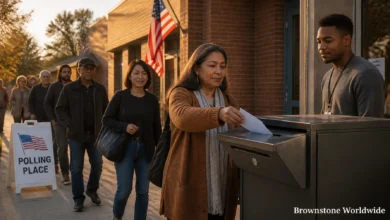
Trump seeks expedited Supreme Court review of birthright citizenship executive order

The legal battle over birthright citizenship has been ongoing since Trump first signed the executive order in an attempt to limit birthright citizenship for children born to parents who are in the U.S. illegally or on temporary visas. The order has faced multiple legal challenges and has been blocked in multiple appellate courts.
The ACLU and other organizations have argued that the executive order goes against the 14th Amendment and established legal precedent, which guarantees citizenship to anyone born on U.S. soil, regardless of their parents’ immigration status.
The Trump administration, on the other hand, maintains that the executive order is necessary to ensure that American citizenship is granted only to those who are lawfully entitled to it. They argue that the current interpretation of the 14th Amendment allows for the granting of citizenship to hundreds of thousands of unqualified individuals.
With the latest legal setbacks in federal courts, the administration is now turning to the Supreme Court for a definitive ruling on the matter. Solicitor General John Sauer has urged the justices to expedite consideration of the appeal and make a decision by next summer.
It remains to be seen how the Supreme Court will rule on this contentious issue. The outcome of this case could have far-reaching implications for the interpretation of the 14th Amendment and the future of birthright citizenship in the United States.
As the legal battle continues, the debate over birthright citizenship and immigration policy in the U.S. is likely to intensify. The Supreme Court’s decision on this case could shape the direction of immigration law for years to come.
The fight to protect the citizenship of every baby born on U.S. soil continues, despite the cruel and senseless order issued by the Trump administration. A federal judge in New Hampshire recently ruled that the order violates the Constitution and has blocked its enforcement in a class-action suit that aims to protect all affected children.
Furthermore, a federal appeals court also stepped in and blocked the enforcement of the order nationwide, recognizing that the citizenship restrictions would harm a group of state plaintiffs. The administration has expressed its intention to appeal both cases to the Supreme Court, hoping to overturn the rulings.
The plaintiffs in these cases, including the ACLU and the Washington State attorney general, have been vocal in their opposition to the order. They have provided evidence to support their claims and are committed to fighting for the rights of all children born in the United States.
This issue is not new, as it has been addressed by the Supreme Court in the past. In the landmark case U.S. v Wong Kim Ark in 1898, the court ruled that children born to non-citizens on U.S. soil are considered Americans under the law. This precedent should serve as a strong foundation for protecting the citizenship rights of all individuals born in the country.
Despite the administration’s attempts to argue for exclusions based on the status of the parents, legal experts like Hofstra Law professor James Sample remain confident that the Supreme Court will uphold the principle of birthright citizenship. The stakes are high, as any ruling in favor of the administration could have far-reaching consequences for individuals already residing in the U.S. and for future generations.
While the legal battle continues, it is important to remember the fundamental values of equality and justice that underpin the issue of citizenship. Protecting the rights of all individuals, regardless of their background or circumstances, is essential for upholding the principles of democracy and fairness in our society. Let us stand together to ensure that no baby’s citizenship is ever stripped away unjustly. The Effects of Climate Change on Biodiversity
Climate change is one of the biggest challenges facing our planet today, and its effects on biodiversity are becoming increasingly apparent. Biodiversity refers to the variety of life forms on Earth, including plants, animals, and microorganisms. It plays a crucial role in maintaining the health and stability of ecosystems, and any disruption to biodiversity can have far-reaching consequences.
One of the most direct impacts of climate change on biodiversity is the loss of habitat. As global temperatures rise, many species are being forced to migrate to find suitable conditions for survival. This can lead to competition for resources and increased predation, ultimately resulting in a decline in population numbers. In some cases, species may become extinct if they are unable to adapt to their changing environment.
Rising sea levels and more frequent extreme weather events are also threatening biodiversity. Coastal habitats such as mangroves and coral reefs are particularly vulnerable to these changes, as they provide essential breeding grounds and food sources for many species. As these habitats are destroyed or degraded, the populations of the species that depend on them are at risk.
Another major concern is the impact of climate change on food chains and ecosystems. Changes in temperature and precipitation patterns can disrupt the timing of natural events, such as flowering and migration, which can have cascading effects on the entire ecosystem. For example, if a plant species blooms earlier than usual, the insects that rely on it for food may not be present, leading to a decline in their population. This, in turn, can affect the animals that feed on those insects, and so on up the food chain.
Climate change can also have indirect effects on biodiversity through the spread of invasive species and diseases. As temperatures warm, species that were once confined to certain regions may expand their range, outcompeting native species for resources. In addition, some diseases may become more prevalent in warmer climates, putting additional stress on already vulnerable populations.
Despite these challenges, there is hope for the future of biodiversity in the face of climate change. Conservation efforts, such as protected areas and habitat restoration projects, can help to mitigate the impacts of climate change on vulnerable species. Additionally, reducing greenhouse gas emissions and transitioning to renewable energy sources can slow the rate of climate change and give species more time to adapt.
In conclusion, climate change is having a profound impact on biodiversity, with far-reaching consequences for ecosystems around the world. It is crucial that we take action to address this issue and protect the incredible diversity of life on Earth. By working together to reduce our carbon footprint and preserve critical habitats, we can help ensure a sustainable future for all species.