Sermons urge youth to take part in public affairs in Morocco after wave of protests

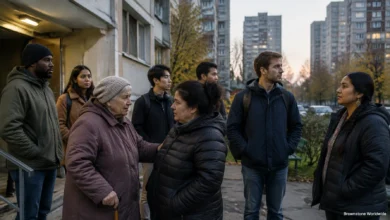
RABAT, Morocco — People gathered at a mosque in Morocco’s capital, listening to a sermon encouraging parents to involve their children in public affairs. The sermon, delivered across the kingdom, followed a period of unrest sparked by youth demanding better social and economic conditions.
While the sermon did not directly address the protests, it was seen as a government effort to communicate with the demonstrators. In recent years, governments in countries like Morocco have dictated sermon content in mosques, aiming to prevent extremist speech.
In a mosque in Rabat, the imam urged worshippers to participate in civic life and serve the nation. The government has announced measures to increase youth political participation and job opportunities in response to the protests.
Despite the protests and government response, only a few people attended the recent demonstrations. The role of Friday sermons in influencing political engagement is being debated by experts in religious affairs.
The Moroccan Association of Human Rights reported that over 1,500 people are facing prosecution for participating in the protests, with some individuals receiving lengthy prison sentences for vandalism.
The impact of Friday sermons on young people’s involvement in public affairs remains a topic of discussion, with some questioning the true intentions behind the messages delivered in mosques.
Dr. Driss El Ganbouri, a researcher specializing in religious affairs, highlighted the dual discourse adopted by the state towards citizens, using sermons as a tool to convey official positions and address societal issues.
El Ganbouri emphasized the need for sermons to reflect Morocco’s current political and social landscape, noting that deviating from official messages can result in consequences for preachers.