US Strikes Iran for 9th Straight Night as Oil Tops $90 and Hormuz Tensions Escalate
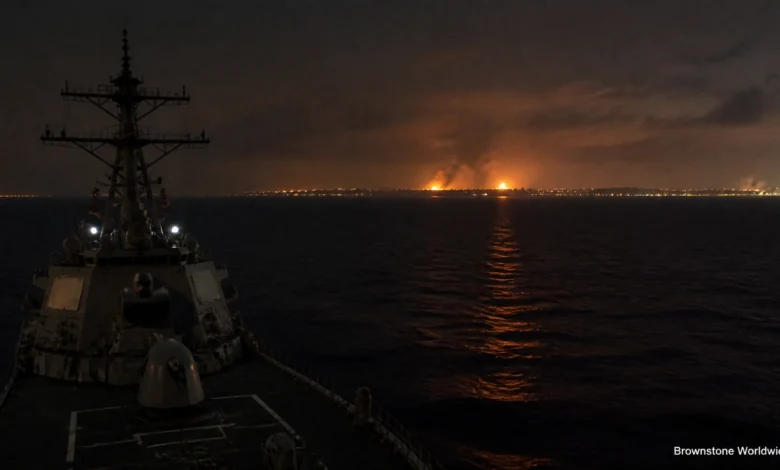
The ninth consecutive night of U.S. airstrikes has targeted Iranian military command centers and missile sites, signaling a sharp escalation in regional conflict. In a statement released shortly after the operations, President Trump noted that these strikes were conducted in honor of three U.S. service members recently killed in the line of duty. Iran responded swiftly, launching retaliatory missile and drone strikes against U.S. assets in Jordan, Kuwait, and Bahrain. Meanwhile, Supreme Leader Ali Khamenei has dismissed international calls for a ceasefire, labeling them "worthless" as the conflict intensifies.

This continued military action has sent shockwaves through global energy markets, with Brent crude oil prices surging past $90 per barrel. The primary concern for economists and world leaders remains the Strait of Hormuz, a critical chokepoint where disruptions could halt a fifth of the world's oil supply. Reports from Al Jazeera and CNBC indicate that naval tensions in these narrow waters are at a decade-high, threatening the stability of international trade routes.
For the average household, this geopolitical friction translates directly to higher costs at the gas pump and potential price hikes for imported goods. As energy costs rise, the ripple effect on inflation can impact everything from grocery bills to home heating. Understanding these global shifts is essential for navigating the current economic landscape, as noted in our latest Brownstone Living updates.
To stay ahead of these changes, we recommend monitoring real-time updates from BBC News and Euronews to track further escalations. You may also want to visit the Brownstone Marketplace for deals that can help offset rising daily expenses.
How are these rising energy costs and international tensions affecting your family's budget? We want to hear your perspective on the current situation in the neighborhood. Share your thoughts in the comments below.