Trump Hosts Zelenskyy and Netanyahu at White House for High-Stakes War Talks Amid Graham Funeral
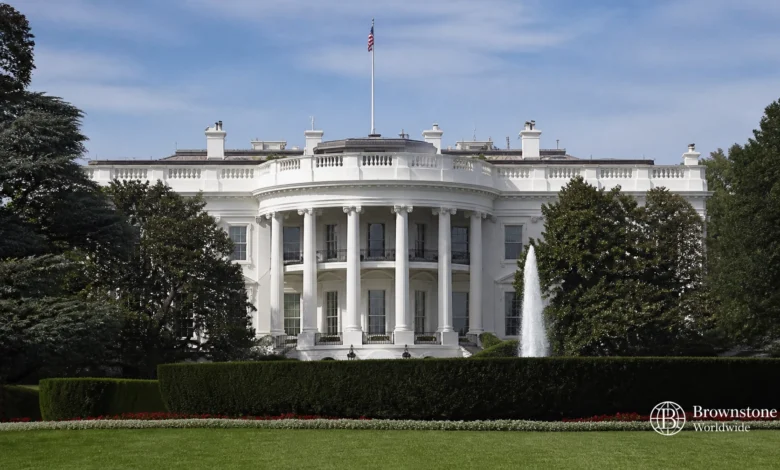
Washington has become the center of unprecedented diplomatic activity as President Trump welcomes Ukrainian President Volodymyr Zelenskyy and Israeli Prime Minister Benjamin Netanyahu to the White House for high-stakes bilateral talks. Both leaders are in the capital to attend the national memorial service for the late Senator Lindsey Graham at the Washington National Cathedral. Behind closed doors, discussions have centered on urgent wartime demands: Zelenskyy is pressing for critical air defense systems and evaluating a potential air ceasefire, while Netanyahu is conferring with administration officials on regional security regarding Iran, Lebanon, and expanding the Abraham Accords, alongside brewing legislative tensions over U.S. arms sales to Turkey and a procedural vote in Congress on a new Russian sanctions package.
This convergence of international leaders highlights a critical inflection point in American foreign policy. As Capitol Hill navigates complex legislative measures: including heightened economic sanctions on Moscow: and the executive branch balances delicate Middle Eastern alliances, these Washington meetings directly influence global security dynamics, international trade, and ongoing defense commitments that resonate far beyond Capitol Hill.
For everyday citizens, these high-level summits carry tangible ripple effects. Shifts in foreign aid allocations, energy sanctions, and defense manufacturing can directly impact domestic economic stability, inflation trends, and energy prices at home. Understanding these geopolitical developments helps households anticipate broader economic shifts and market fluctuations.
To stay ahead of these evolving international events, readers can follow real-time updates across our news categories on Brownstone Worldwide, explore local civic engagement initiatives, and join our community forums to discuss how foreign policy decisions intersect with domestic priorities.
How do you view the administration's current diplomatic approach to these ongoing global conflicts? Share your thoughts in the comments below as we continue to follow these developments.