Cook Your Way to a Sharper Mind: How Home Cooking Reduces Dementia Risk by 30%
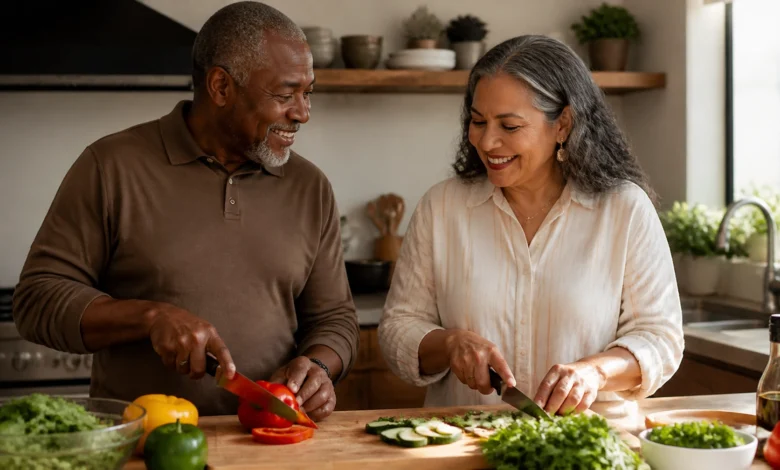
In an era dominated by convenience foods, meal delivery apps, and ultra-processed snacks, our kitchens have increasingly become places we rush through rather than spaces where we linger. However, a landmark study has brought a refreshing perspective back to our culinary routines, sparking widespread interest across current lifestyle trends and public health discussions. Researchers analyzing data from the extensive Japan Gerontological Evaluation Study tracked nearly 11,000 older adults over a six-year period to examine how daily habits intersect with cognitive longevity. What they uncovered is nothing short of fascinating: older adults who regularly cooked meals from scratch at home experienced a remarkable 25% to 30% reduction in their risk of developing dementia compared to those who rarely cooked.
This finding strikes a chord deeply within our communities, especially as public health advocates search for accessible, everyday interventions that support cognitive health. Dementia and cognitive decline affect millions of families globally, casting long shadows over aging populations. For years, medical science has emphasized physical exercise, lifelong learning, and social engagement as pillars of brain health. Yet, adding home cooking to this prestigious list introduces an activity that elegantly combines physical movement, mental stimulation, and social connection into a single, deeply rewarding daily routine. It bridges the gap between clinical wellness advice and the comforting warmth of daily life.

When we break down the mechanics of what happens when someone prepares a meal from scratch, the reasons behind this protective effect become remarkably clear. Cooking is a multifaceted cognitive workout. From reading and adapting a recipe to planning cooking times, multitasking across burners, and coordinating fine motor skills, every culinary step engages executive functioning, memory, and attention span. Additionally, home-cooked meals naturally favor whole, nutrient-dense ingredients over heavily processed alternatives. Rich in antioxidants, healthy fats, and essential vitamins, fresh produce and whole grains nourish both the cardiovascular system and the brain, helping to reduce systemic inflammation and protect neurological pathways over time.
Beyond the cognitive and nutritional benefits, the kitchen serves as a powerful anchor for human connection. Preparing meals for a partner, family members, or neighbors transforms cooking from a solitary chore into a shared experience. Social isolation is a well-documented risk factor for cognitive decline, and gathering around a home-cooked meal fosters meaningful conversations, emotional support, and a profound sense of belonging. Whether you are exploring our curated home essentials on the Brownstone Marketplace or catching up on our latest lifestyle coverage, the overarching theme remains consistent: nurturing our personal environments directly enhances our overall well-being.

Embracing this research in your own daily schedule does not require enrolling in culinary school or spending hours over a hot stove every single night. In fact, the research highlighted an encouraging detail: the strongest protective associations were observed in individuals who began with modest culinary skills and made a conscious effort to cook more frequently. This means that perfection is never the goal: participation is. You can begin your brain-healthy culinary journey by adopting small, manageable habits. Dedicate one or two evenings a week to preparing a simple meal entirely from raw, wholesome ingredients.
To help spark inspiration in your kitchen, focus on simple, brain-boosting recipes that combine vibrant flavors with ease of preparation. For instance, a light Mediterranean skillet featuring wild-caught salmon, leafy greens, and quinoa delivers an exceptional balance of omega-3 fatty acids and antioxidants. Alternatively, roasting root vegetables like sweet potatoes and carrots with olive oil and rosemary provides sustained energy and essential micronutrients without complicated kitchen techniques. Invite a neighbor, a family member, or a friend to chop vegetables alongside you, turning meal prep into an enjoyable collaborative ritual rather than a solitary obligation.

As we continue to explore the intersection of daily habits, health innovations, and community wellness here at Brownstone Worldwide, we are continually reminded that small lifestyle shifts can yield profound long-term rewards. Caring for our cognitive health is an ongoing journey that flourishes when shared with the people around us. How has home cooking shaped your daily routine, and what are your favorite brain-healthy recipes to share with loved ones? We invite you to share your thoughts, culinary tips, and experiences in the comments and community discussions below.