Saudi Pipeline Attack Sends Oil Prices Soaring : What It Means for Global Markets
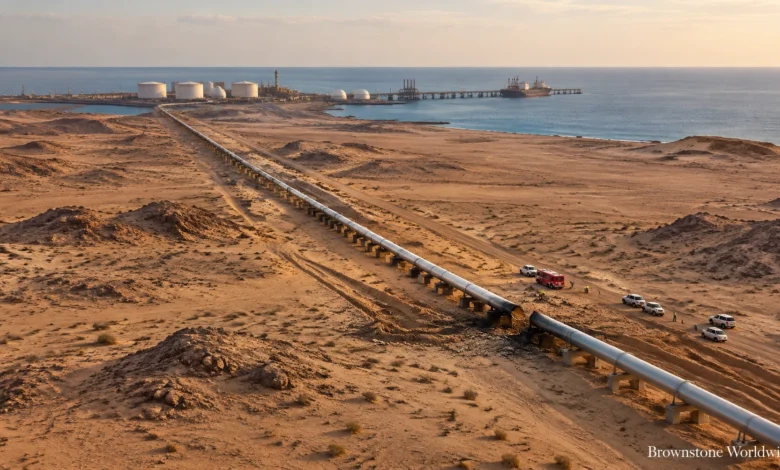
Saudi Arabia has shut down its East-West oil pipeline after drone attacks damaged pumping infrastructure, raising fresh concerns about the reliability of global energy supplies. The pipeline connects oil fields near Abqaiq with the Red Sea port of Yanbu, allowing Saudi crude to bypass the Strait of Hormuz.
The disruption threatens roughly 4% of global oil supply. Brent crude climbed above $108 per barrel as traders weighed the risk of a longer shutdown, according to CNBC and Reuters.

The timing matters. Tensions involving Iran-aligned groups and Houthi forces continue to threaten shipping routes in the region, while talks addressing Strait of Hormuz tensions have been postponed. With both a major pipeline route and a crucial maritime passage under pressure, markets are reacting not only to lost barrels but also to the possibility of additional attacks. Al Jazeera reports that the shutdown was ordered as a precaution while Saudi authorities assess damage and security conditions.

For households and businesses, higher crude prices can eventually mean more expensive gasoline, transportation, heating, and products that depend on petroleum. The effect may not appear everywhere at once, and prices will depend on how quickly the pipeline is restored and whether further supply is interrupted.
For now, drivers can compare local fuel prices, avoid unnecessary trips, and review transportation spending. Families may also want to watch grocery and delivery costs without making sudden purchases based on headlines.

Brownstone Worldwide will continue tracking the pipeline’s status, oil prices, and regional developments. What changes are you noticing in fuel or household costs in your neighborhood? Follow our latest coverage.