

Memory Chips Are Sold Out for Years, and the AI Race Is Why
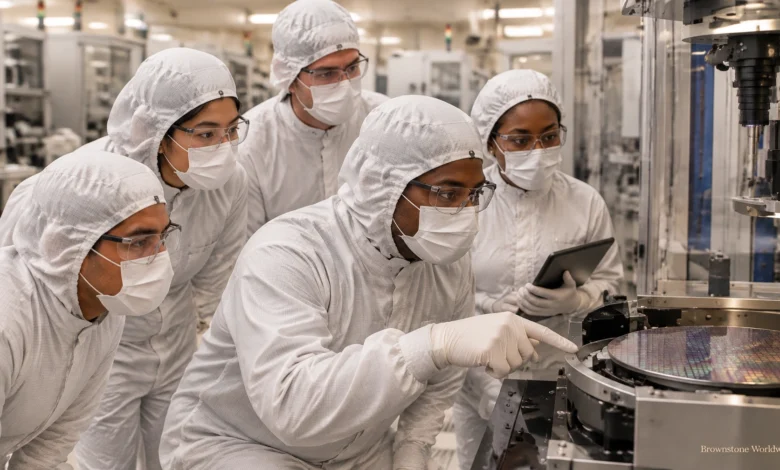
The artificial-intelligence boom is running into a basic constraint: the memory chips that help computers handle data are in short supply.
This week, South Korean chipmaker SK hynix reported a record quarter, with operating profit beating expectations. The company said demand for high-bandwidth memory and standard memory has outpaced supply. Orders are effectively booked through twenty twenty-nine, and it expects the shortage to persist through the end of the decade. Long-term agreements have already reserved much of its future capacity, according to company updates and reporting by CNBC.
The pressure is coming from data centers built to run AI systems, which need large amounts of memory alongside powerful processors. Reuters, citing The Information, also reported that OpenAI plans to buy custom AI chips from Google. Neither company has confirmed the report. It suggests AI companies are looking for alternatives as the market for memory and computing capacity tightens.
For households, the effects may reach beyond data centers. If memory costs keep rising, phones, laptops and other electronics could stay expensive, and some devices may take longer to arrive. That does not guarantee an immediate price hike on every item, but it is one more reason to compare options and avoid replacing working equipment before you need to.
If a purchase can wait, keep an eye on availability and prices rather than assuming a quick discount is around the corner. What are you seeing where you live: higher electronics prices, longer waits, or no change yet?