

Storm Season Is Coming. The Water Is the Part Most Families Forget.
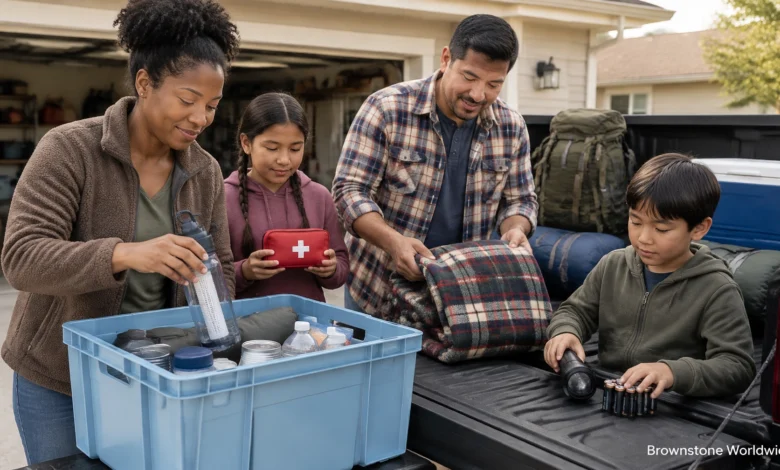
Recent severe weather has pummeled regions across the country, bringing catastrophic flooding, destructive winds and prolonged power outages that strained local infrastructure. Those events arrived against a backdrop of mounting alarm over the stability of the national grid. Multiple states have recently fallen under official power grid emergency declarations, and the Department of Defense has rolled out a new power grid failure initiative. The vulnerabilities of basic utilities have rarely been more apparent.
As forecasters predict an increasingly volatile season ahead, the conversation has moved well beyond standard storm preparation. From hurricane-ravaged coasts to inland communities facing grid instability and cascading service failures, households are being urged to shore up their own emergency defenses before the next major disruption hits.
Emergency response experts agree on one thing: the time to prepare is now. There are many lists of what to keep on hand, and some communities publish their own based on local geography, but at minimum every household should have first aid supplies, flashlights, batteries and access to safe water.
Water is the item people most often underestimate. The Federal Emergency Management Agency warns that after a disaster, clean drinking water may not be available, and that a regular water source could be cut off or compromised through contamination. Being properly prepared means having a way to reach safe drinking water without depending on your own supply, or on the ability to boil it.
LifeStraw is the leading manufacturer of water filtration devices families can use in an emergency. The products filter out more than thirty water contaminants, including bacteria, viruses, dust, sand, debris, chlorine, lead and microplastics. The range runs from personal water filter straws to high-volume dispensers and purifiers designed to remove viruses. And for the first time in the brand's history, the company has created Emergency Preparedness Bundles, made to slot into a family's existing kit.
What makes them practical during a real outage is what they do not require. No electricity, no batteries, no added chemicals. Water moves through a membrane microfilter, and the devices are light enough to carry if a household has to evacuate. A family can give every member a personal straw, keep a household device such as the LifeStraw Escape or LifeStraw Mission on a shelf, or set up a Community purifier that supports groups as large as twenty-five people a day.
The point of a kit is not to predict the storm. It is to keep a bad week from becoming a worse one. Start with the basics, then fill the gap most lists leave out. The Ready campaign's kit guidance covers the rest of the essentials, and LifeStraw's own site carries the bundles and replacement filters.
If a storm knocked out your water for three days, would your household be ready today?
This article is sponsored content produced by Brandpoint.