
Quiet Was Never the Whole Job
Quiet can be a kindness. Respecting someone’s privacy matters. But when those are the only things we ask of a good neighbor, we may be mistaking distance for connection.
On NPR this week, David Burton of the University of Missouri Extension described surveying Missourians for three straight years about what makes someone a good neighbor. The top answers stayed the same: someone who’s quiet, and someone who respects my privacy. Burton, who founded Missouri Good Neighbor Week and leads the Engaged Neighbor Project, says that’s a shift from mid-century studies, when neighbors often made up a person’s social network. The goal now, he says, isn’t more good neighbors. It’s more engaged ones.
That distinction matters. Pew Research Center found last year that only about a quarter of Americans know all or most of their neighbors. Burton knows how easy it is to confuse politeness with knowing someone: he waved, picked up after his dog, and took down his holiday lights before January first. Then he realized he didn’t know his neighbors’ names. His reminder lands gently but firmly: “The opposite of love is not hate, it is apathy.”
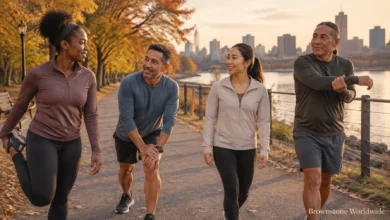
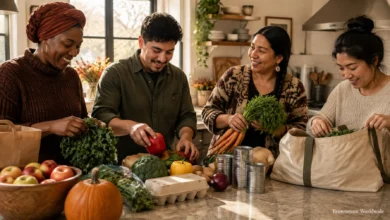
For you, connection doesn’t have to mean constant conversation or giving up privacy. Burton points to research linking neighbor relationships with less stress, greater resilience, less isolation, and better physical health when a neighbor becomes an exercise buddy. Sharing what you have can help, too. Sometimes it’s as ordinary as borrowing a little sugar instead of buying a whole bag.
Start with a name. Jot it down or sketch a simple note to help you remember. Offer one small kindness that fits your strengths, and let a neighbor know when you could use a hand. Reciprocity runs both ways. Burton says he may not be able to change Washington or his state capital, but he can make a choice each day that affects his block.
What’s one small thing that could help your block feel more like a community?