
The Day Does Not End at Five O’Clock
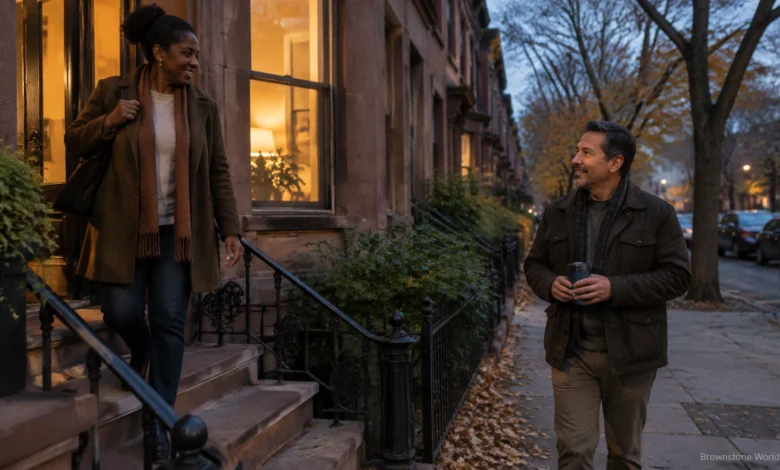
The clocks have changed and the early sunsets are back. It can feel as if the day ends when the light does, but sleep researchers keep making the same point: the darkness is not the whole problem. The quitting is. When daylight fades, we stop going outside after work, move less, and let go of the plans that made those hours feel like our own.
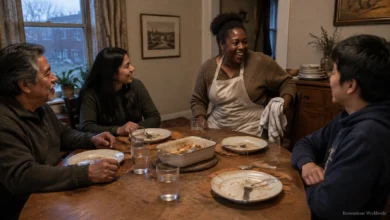
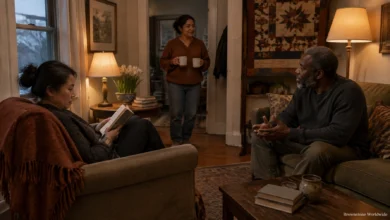
Light entering the eyes is what tells the brain what time it is, and in a season of short days most of us are not getting much of it. Dr. Michael Grandner, who directs the sleep and health research program at the University of Arizona, puts it plainly: if it gets dark at five and bedtime is eleven, you still have six hours of your day left. He suggests lamps and dimmers rather than one overhead fixture, and keeping some version of the walk, the friends, the long dinner.
Dr. Jamie Zeitzer, a professor-researcher in Stanford's division of sleep medicine, adds that it is the later sunrises, not the earlier sunsets, that shift a person's clock later, which is why mornings feel worse than evenings. He also warns that winter isolation can pull a mood down on its own, so light is only half the fix and company is the other half. Even under cloud, outdoor light is far brighter than anything indoors. Get out early. Open the curtains before the coffee. Keep sleep, meals and movement on their usual schedule, and do not sit in a dim room at six just because it is dark out. Use the light you need to enjoy what you are doing, then bring it down as the evening closes.
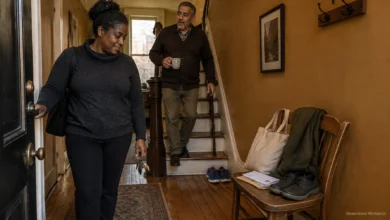
And make the routine easier to keep. A morning walk goes better with company. The neighbor whose windows have been dark since the leaves came down is probably not fine, just quiet. Knock. Bring something warm. That is the entire strategy, and it costs nothing.
What do you do in the dark months that genuinely helps, and who taught you?