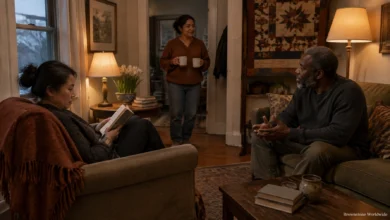

The Pile by the Door Is Not a Character Flaw
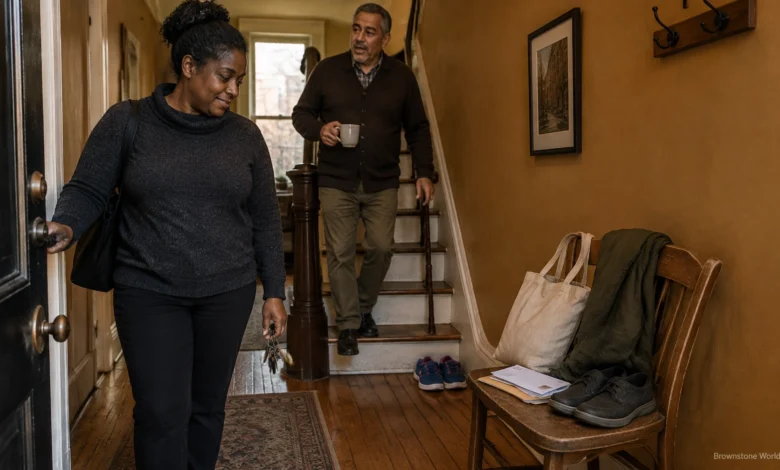
The chair by the front door has become a familiar landing spot: a tote, a coat, mail that has not been opened, shoes that have not made it to the closet. At the bottom of the stairs, another small collection waits. It can feel like a private failing, but it is often just what happens when a busy household has no clear place for the things coming through the door.
In a recent Martha Stewart story, professional organizer Amy Bergman calls this kind of collection a “doom pile”: things set down temporarily and never fully dealt with. There is a joke tucked into the name, too: “didn’t organize, only moved.” Organizer Sarah Schier says these transition points (the entryway chair, the bottom stair, the kitchen counter) catch belongings mid-journey. The plan is to handle them later, but “later just keeps getting pushed.”
Each object asks for a small decision: keep it, toss it, file it, donate it, or put it away. As Bergman explains, when people are already overloaded, those decisions get postponed. That is part of the executive-function load of a busy season, something that can happen to anyone. It is not a diagnosis, and it is not a character flaw. Sometimes the house simply has not given the item a proper home.
The cost is more than a messy corner. Seeing unfinished business every day can bring guilt, frustration, embarrassment, and exhaustion. It can waste time when papers go missing or lead to duplicate purchases. Organizers say it can even make people stop inviting visitors over. The guilt may be the most expensive part.
Bergman says clearing a cluttered spot can restore its purpose and interrupt the cycle of avoidance. Clients have told her they sleep better and feel calmer and more productive afterward. The useful first step is not finding a better container. Decide what stays, then consider where it belongs. Give one landing spot an actual job, and start there, not with the whole house.
What spot in your home could use a clearer purpose?