

A Bird Flu Death in Washington State and a Flu Season Refusing to Wait Its Turn
A Yakima County resident hospitalized with bird flu has died from complications of the virus and underlying health conditions, Washington health officials say. It is the first death in the U.S. dairy-linked outbreak. Officials have also reported a third human case in the county: a person exposed to infected dairy cattle who has mild illness and is not hospitalized. Health teams are identifying and monitoring contacts.
The news is serious, but it does not mean bird flu is spreading between people. The Centers for Disease Control and Prevention says the risk to the general public remains low.
Meanwhile, seasonal flu is arriving early. CDC FluView data for late October showed hospital admissions rising by about a quarter from the week before, and the first pediatric death of the season was recorded. New York has reported more than ten thousand cases, likely an undercount, with positive tests among children in New York City recently surpassing those among working-age adults. Some coverage has described a mutated swine-origin strain, but CDC surveillance identifies the predominant activity as a familiar seasonal influenza strain, not a newly detected swine-origin virus.
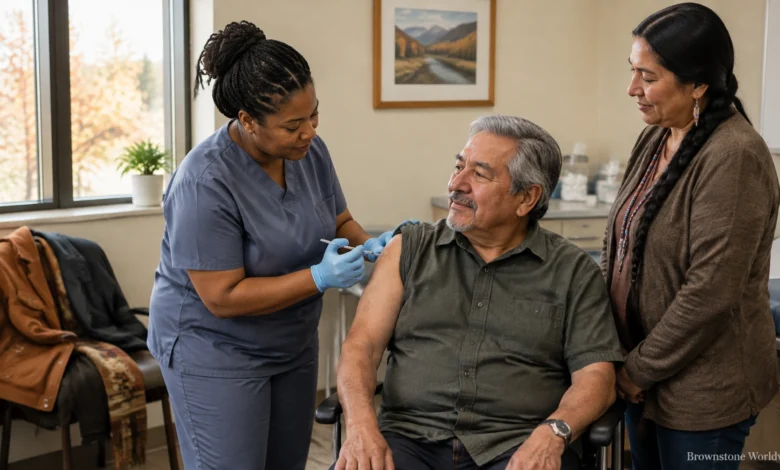
For households, that is a reason to plan, not panic. Public health guidance recommends annual flu and updated COVID vaccines for everyone eligible. A one-time RSV vaccine is recommended for adults seventy-five and older, and for adults aged fifty to seventy-four at increased risk. The American Medical Association says these vaccines can be given at the same visit.
If you have questions about which vaccines are right for you, check with your health-care professional or local health department. People with direct exposure to infected dairy cattle or birds should follow public health guidance and seek advice if they feel unwell.
Flu and bird flu are distinct concerns, but both remind us that timely, trusted information matters. What steps is your household taking to prepare for respiratory-virus season?