Breakdown in US-Iran talks casts doubt over peace process

A traditional dhow boat is seen at sea, with towering skyscrapers on the Doha Corniche in the background in Doha, Qatar, on June 29, 2026.
Nurphoto | Nurphoto | Getty Images
Oil prices experienced a slight decline on Wednesday following Iran’s announcement that it would not engage in talks with U.S. delegates in Qatar, raising concerns about the peace process.
International benchmark Brent crude futures for September delivery were down by 0.3% at $72.72 per barrel around 9:28 a.m. (4:28 a.m. ET). The contract saw a decrease of approximately 21% last month, marking its largest monthly decline since March 2020.
U.S. West Texas Intermediate futures for August delivery also declined by 0.5% to $69.17, erasing earlier gains. The contract experienced a drop of over 20% in June, representing its worst monthly performance since late 2021.
The decrease in oil prices followed statements from Iranian officials indicating that further discussions were needed to finalize the terms of the interim peace deal signed last month before addressing more complex issues such as potential restrictions on its nuclear program, as reported by Reuters.
Brent crude futures and WTI futures over the last three months.
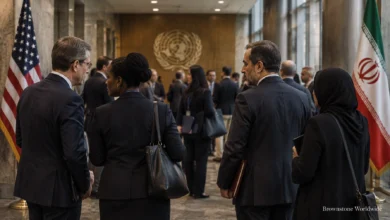
Jared Kushner, President Donald Trump’s son-in-law, and U.S. special envoy Steve Witkoff arrived in Doha on Tuesday. However, a Qatari government spokesperson clarified that they would meet with mediators and not directly with Iranian officials.
The U.S. and Iran reached a 14-point memorandum of understanding on June 17 to halt the conflict that had disrupted global oil transportation through the strategically important Strait of Hormuz.
Situated in the Persian Gulf between Oman and Iran, the Strait of Hormuz is a crucial energy passageway, handling approximately 20% of the world’s oil traffic.
Strait of Hormuz traffic
ING strategists Warren Patterson and Ewa Manthey noted that the oil market remains optimistic about a potential supply recovery in the Middle East despite recent tensions between the U.S. and Iran.
In a research note published on Wednesday, they mentioned that movements of tanker vessels in the strategically important Strait of Hormuz still seem restricted.
The Liberian flagged container vessel MSC Reef is seen docked along a pier at the Khor Fakkan Container Terminal, the only natural deep-sea port in the region and one of the major container ports in Sharjah Emirate, along the Gulf of Oman on June 28, 2026.
– | Afp | Getty Images
“There has been a slight increase in inbound tanker traffic, indicating that shipowners are gaining confidence in navigating vessels into the Persian Gulf,” Patterson and Manthey stated.
“If this trend continues, it could pose a significant challenge to our expectation of rising oil prices from their current levels,” they added.