
Courts Push Back on Election Pressure Campaigns as Early Voting Tops Forty-Six Million Ballots
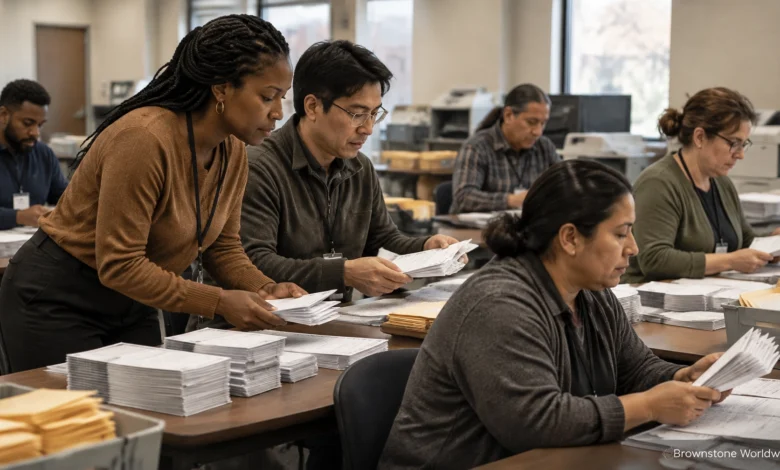
Federal courts pushed back against the Justice Department’s election actions in California. A federal judge issued a temporary restraining order barring the department from threatening or coercing election workers to stop processing ballots or segregate them. The Guardian, the Los Angeles Times and Axios reported on the order. The Ninth Circuit Court of Appeals also rejected the department’s request to set aside roughly twenty thousand disputed ballots, according to the Associated Press.
The developments follow grand jury subpoenas to officials in four California counties. Los Angeles officials have been ordered to appear on November fourth, the day after the election. The court decisions address how election procedures may be handled; they do not resolve every dispute over the underlying claims.
In Alaska, a separate investigation into the “double Dan” Senate race is widening. The Justice Department filed a suit touching on election certification, the FBI surged resources into its probe of a ballot scheme involving Senator Dan Sullivan and a retired teacher with the same name, and Governor Mike Dunleavy ordered a state investigation. The allegations remain under investigation, not established findings of wrongdoing, as outlets including Axios, Newsweek and Must Read Alaska have reported.
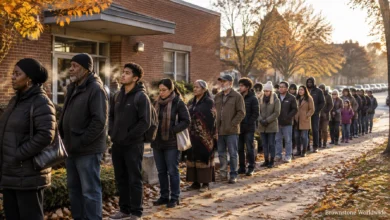
Meanwhile, the On Point Politics tracker reported that more than forty-six million early ballots had been cast nationwide as of October thirty-first. Those ballots are not the same as counted results. NBC and CNBC also reported that President Donald Trump rebooked Sunday rallies in Kansas and Iowa after canceling them midweek.
For voters, the practical step is to rely on official election offices for local rules, deadlines and updates, and to distinguish ballots cast from votes counted. Court orders and investigations can affect election administration, but neither alone determines the outcome.
As election officials continue their work, what information would help your community feel confident about how ballots are handled and results are reported?