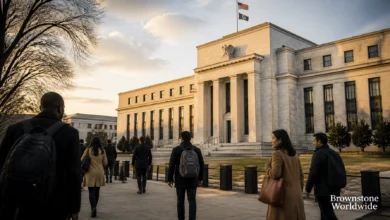
Wall Street experienced its sharpest single-day selloff in over a year as the Dow Jones Industrial Average plummeted 1,153 points: a steep 2.2% drop: sparked by a combination of escalating Middle East tensions following attempted missile strikes involving Iran and an unexpected hawkish split within the Federal Reserve.

This dramatic market correction is more than just flashing red numbers on a terminal. With crude oil prices surging toward $90 a barrel and the Federal Open Market Committee holding rates at 3.5%–3.75% amid three dissenting votes pushing for immediate hikes, investors are confronting renewed fears that persistent inflation will keep borrowing costs elevated for much longer than anticipated.

For everyday households, these macroeconomic tremors translate directly to tighter credit conditions, fluctuating retirement accounts, and heightened uncertainty around consumer goods and energy prices. When global markets react so violently to geopolitical shocks and central bank friction, everyday budgeting feels the pinch.

Taking proactive steps right now can help insulate your personal finances. Building a robust emergency fund, reviewing your long-term investment allocations with a professional, and exploring savings strategies: such as checking our Daily Deals page to cut weekly grocery and household expenses: can provide a stabilizing buffer during volatile economic cycles.
How are you adjusting your family budget and investment strategy in response to these market shifts? Let's talk about it in the comments below.