
Keffe D Sentenced to 40 Years to Life in Tupac Shakur Murder Case, Closing a 30-Year Chapter
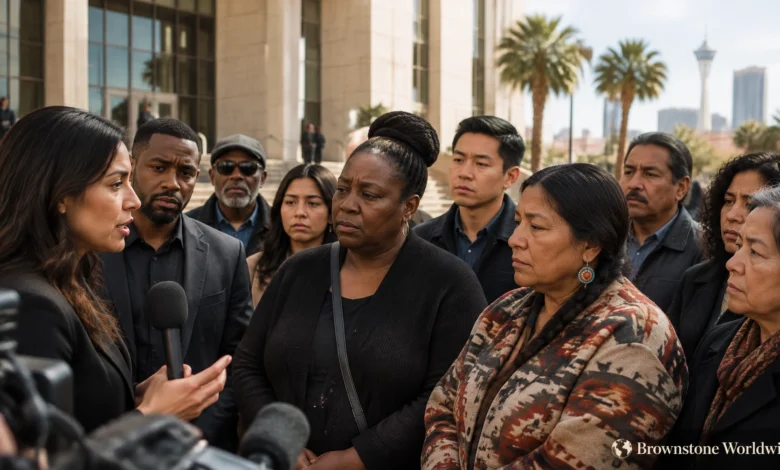
Illustrative image generated for this story.
Duane “Keffe D” Davis was sentenced Tuesday in Las Vegas to forty years to life in prison for the murder of Tupac Shakur. Judge Carli Kierny imposed a life term for first-degree murder, followed by a consecutive term for the use of a deadly weapon. Davis is the only person ever charged in Shakur’s killing.
The sentence closes a major chapter in a case that remained unsolved for nearly three decades. Shakur was shot in a drive-by attack on the Las Vegas Strip in September 1996 and died six days later, aged twenty-five. A jury convicted Davis in August after prosecutors argued he orchestrated the shooting in retaliation for an earlier altercation involving his nephew, Orlando Anderson.
Davis was arrested in 2023 after publicly discussing the killing in interviews and his memoir. Prosecutor Marc DiGiacomo pointed to those accounts while arguing Davis had tried to profit from the crime. Shakur’s sister, Sekyiwa, and brother, Maurice, described the lasting grief and generational trauma in victim-impact statements. Judge Kierny rejected the notion that Davis could simply walk away from his actions. (AP coverage; Clark County news release)

Illustrative image generated for this story.
For Shakur’s family and many hip-hop fans, the sentence brings a long-awaited measure of accountability. It also underscores how a cold case can move forward years later, as investigators revisit evidence and public statements. The legal case is not necessarily over: Davis said he plans to appeal. That is an announced intention, not confirmation that an appeal has been filed. (CNN’s report)
Readers can follow the appeal and further court developments through reliable reporting. Brownstone has also covered conversations at the intersection of hip-hop and the music industry, including Nicki Minaj’s concerns about Grammy categories. As this case reaches a new stage, what do you think communities and the music industry should do to preserve the stories of artists, and recognize the lasting impact of violence on their families?