Neighborhood Voices: What a Welcome Actually Sounds Like
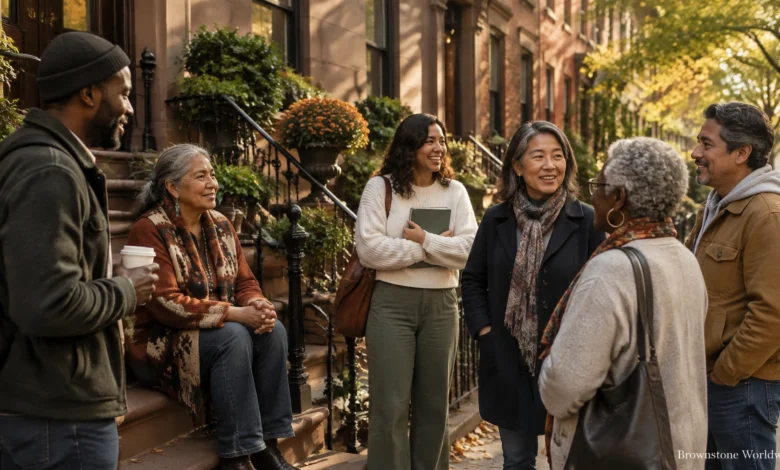
A real welcome is rarely loud. More often, it sounds like a name remembered, a chair pulled closer, or a simple, “Would you like to join us?”
Start with the human part
October offers a good moment to think about how our neighborhoods make room for one another. It is LGBTQ+ History Month, National Book Month, and a season when many communities are settling back into familiar routines. That makes it a useful time to remember that knowing a place’s history also means knowing whose stories were left out. A street can hold more than one kind of family, more than one tradition, and more than one way of belonging.
A genuine welcome usually begins small. It is not a speech, a label, or a form to fill in. It is introducing yourself without asking someone to explain who they are to you. It is saying your name, learning theirs, and leaving room for the relationship to grow at a normal pace.

Make room without making it awkward
That also means using a person’s name and pronouns the way they ask you to, and not turning that basic respect into a big performance. Most people can tell the difference between care and spectacle. A warm block, porch, hallway, or building is one where people do not have to brace themselves before a casual conversation.
Welcome becomes real when it moves from good intentions to everyday choices. Instead of saying, “We should get together sometime,” try a specific invitation to a specific thing: “We’re sitting outside after dinner on Thursday if you want to join us,” or “A few of us are walking to the library Saturday morning if you’d like to come.” Clear invitations are easier to accept, easier to decline, and much easier to trust.
Notice the edges of the circle
It also helps to pay attention to who never seems to get asked. Every neighborhood has social patterns that harden without anyone meaning for them to. The same households get waved in. The same stories get repeated. The same people are assumed to be busy, private, different, or not interested. A real welcome notices that quietly and corrects it quietly.
Supporting local groups can work the same way. Show up. Volunteer. Share information. Help set up chairs. Attend the reading, cleanup, meeting, or mutual-aid effort without making someone else’s needs into your public identity. Steady participation does more good than a dramatic gesture, and it keeps the focus where it belongs: on the people and the place.
Keep going after the moving boxes are gone
The truest test of welcome comes after the first week, when the boxes are broken down, the novelty has worn off, and regular life returns. That is when people learn whether the friendliness was real or just ceremonial. Check in again. Save a seat again. Ask again. Keep the porch conversation open, keep the book recommendation coming, keep the invitation specific.
That kind of consistency tells people they are not being included for a moment; they are being folded into the life of the neighborhood.
A better block is built in public, gently
This week, try one repeatable act: greet someone you have only waved to, invite one person who is usually overlooked, or ask, “What would make this block feel more like home?” Sometimes the sound of welcome is nothing more glamorous than being remembered the second time.
What does a genuine welcome sound like where you live? Share your neighborhood perspective with Brownstone Worldwide at brownstoneworldwide.com.