Senate Stalls $1.15 Trillion Defense Bill Amid Protests Over Continued Iran Conflict
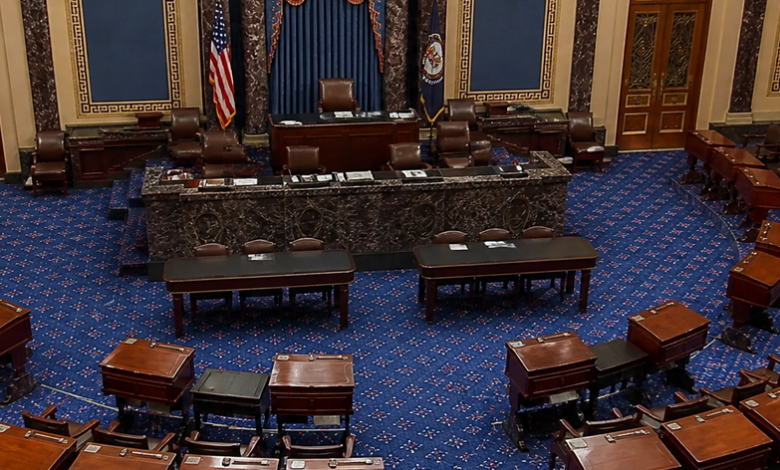
In a high-stakes legislative showdown, the U.S. Senate has blocked the $1.15 trillion National Defense Authorization Act (NDAA) in a party-line 50-46 vote. The failure to reach the 60-vote threshold marks a significant victory for Democrats who have grown increasingly vocal about the ongoing conflict with Iran and the executive branch’s bypass of congressional authorization.
A Referendum on War Powers
The stalemate serves as a direct challenge to President Trump’s handling of the five-month-long Iran conflict. Democratic leaders cited the administration’s decision to escalate military operations: including recent naval blockades and resumed bombing strikes: without seeking new approval from Congress as the primary reason for the block.
"We are at a crossroads regarding the balance of power," stated one Senate leader during the floor debate. The refusal to advance the bill signals that the Senate is no longer willing to provide "blank check" funding while the administration sidesteps the War Powers Act.

Spending Caps and Global Alliances
At $1.15 trillion, the proposed NDAA is one of the most expensive defense packages in U.S. history. While the bill previously cleared the Senate Armed Services Committee with bipartisan support, the final floor vote collapsed under the weight of spending concerns and controversial provisions. Specifically, Democrats have pushed back against measures that would deepen the integration of U.S. and Israeli military intelligence, demanding a separate, transparent debate on the regional implications of such a move.

As the bill remains in limbo, the Pentagon faces potential delays in troop pay increases and procurement programs. Republicans have warned that this delay jeopardizes national security during a period of heightened geopolitical volatility.
Stay tuned to Brownstone Worldwide for more breaking news today and world news updates as this political story develops.