Smart Shopping: How AI Apps Are Helping Families Save Big on Groceries
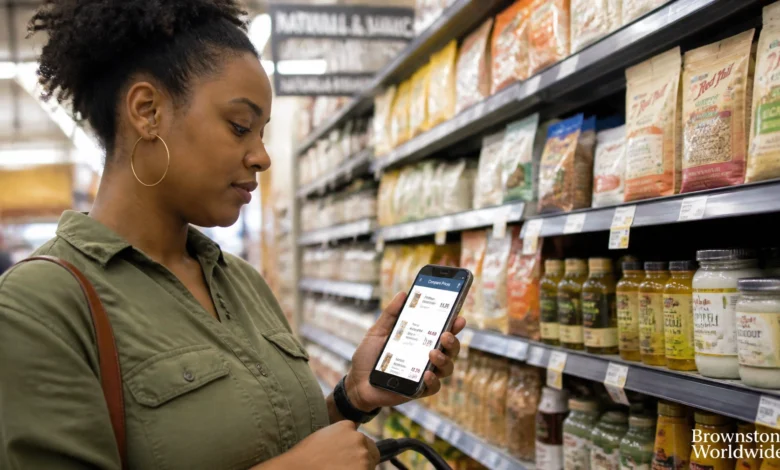
Grocery shopping has undergone a profound transformation over the past few years, evolving from a straightforward weekly chore into a strategic exercise in household financial management. As families navigate persistent economic shifts and fluctuating household budgets, everyday consumers are turning away from traditional paper circulars and guesswork, embracing sophisticated digital assistants instead. Across neighborhoods everywhere, shoppers armed with smartphones are utilizing advanced applications powered by artificial intelligence to compare store prices instantly, automate meal planning based on what is currently on sale, and track expiration dates to eliminate costly food waste. What started as a niche trend among tech-savvy shoppers has rapidly mainstreamed into an essential survival skill for modern households looking to stretch every dollar.
The urgency behind this digital shift is rooted in broader economic realities that continue to affect households across the nation. Food prices remain one of the most volatile components of the consumer price index, putting constant pressure on family budgets. When the cost of pantry staples, fresh produce, and dairy products climbs unpredictably, traditional coupon clipping and casual store-hopping often fall short. This is where recent breakthroughs in consumer-facing technology come into play. According to the latest technology news across the retail sector, artificial intelligence algorithms are no longer reserved for enterprise logistics or corporate finance; they are now embedded directly into consumer apps designed to optimize everyday spending. By aggregating millions of pricing data points in real time, these platforms empower ordinary shoppers to outsmart inflation and make informed purchasing decisions before they even step foot in the checkout line.

For the average household, integrating these digital tools into a weekly routine can yield substantial savings without requiring hours of tedious research. Imagine planning your family dinners not around cravings alone, but around hyper-local grocery store discounts and predictive AI recommendations. Applications can scan your preferred supermarkets, cross-reference current sales with your dietary preferences, and generate a customized meal plan that maximizes discounted ingredients. If chicken breasts and bell peppers are on markdown at your local market, your app immediately suggests recipes that feature those items prominently. Furthermore, real-time price comparison tools allow shoppers standing in aisle four to check whether nearby competitors are offering the exact same box of cereal or brand of olive oil for significantly less, transforming impromptu price-checking into a seamless, seconds-long habit.
Beyond instant price matching at the shelf, mastering smart grocery shopping involves harnessing digital loyalty programs and automated coupon stacking. Modern apps do the heavy lifting by automatically clipping digital manufacturer coupons, syncing store loyalty cards, and applying cash-back offers at participating retailers. Instead of manually sorting through dozens of store-specific apps, consumers can centralize their shopping lists and reward points in one dashboard. This level of organization ensures that promotional discounts are never missed at the register, turning accumulated loyalty points into tangible savings on future trips. For those interested in exploring curated home essentials and everyday goods, checking out resources like the Brownstone Marketplace can also provide inspiration for smart, budget-conscious household purchases.

Reducing food waste is another critical pillar of modern smart shopping, and it is an area where technology delivers remarkable results. Studies consistently show that an alarming percentage of purchased groceries ends up discarded due to spoilage or forgotten leftovers. Smart pantry-tracking applications help combat this by cataloging your purchases: often simply by scanning barcodes or receipt photos: and sending timely notifications when items are nearing their expiration dates. By pairing these inventory reminders with AI recipe generators that suggest creative ways to use up leftover vegetables, grains, and proteins, families can dramatically cut down on unnecessary duplicate purchases. Adopting these practical money saving tips not only preserves your hard-earned cash but also promotes a more sustainable, mindful approach to household consumption.
Getting started with these tools does not require an engineering degree or an overwhelming lifestyle overhaul. Begin by downloading one or two reputable price comparison and coupon apps, dedicating just ten minutes before your weekly shopping trip to review digital circulars and plan your menu. Combine this habit with a quick pantry audit to ensure you are buying only what you truly need. As you become more comfortable navigating these digital platforms, you will likely notice a significant reduction in your weekly grocery receipts, giving you more financial breathing room for other household priorities. To learn more about navigating modern financial and lifestyle trends, visit Brownstone Worldwide for ongoing coverage and community insights.

Ultimately, navigating the complexities of modern household budgeting is a shared experience that benefits from community wisdom and collective trial-and-error. Every neighborhood has its hidden gems, clearance secrets, and favorite app workflows that make stretching a grocery budget easier. What are your go-to strategies for keeping grocery bills under control? Have you tried out any new AI-powered shopping assistants or inventory trackers that completely changed your routine? We invite you to share your experiences, favorite money-saving apps, and personal tips in the comments below to help your fellow readers shop smarter every single week.